
Explainers
Our explainers break down complex issues and translate climate science so it’s clear and easy to understand. We often publish explainers when we hear people in the media or politicians getting their facts wrong about an important climate issue.
Burning Issues

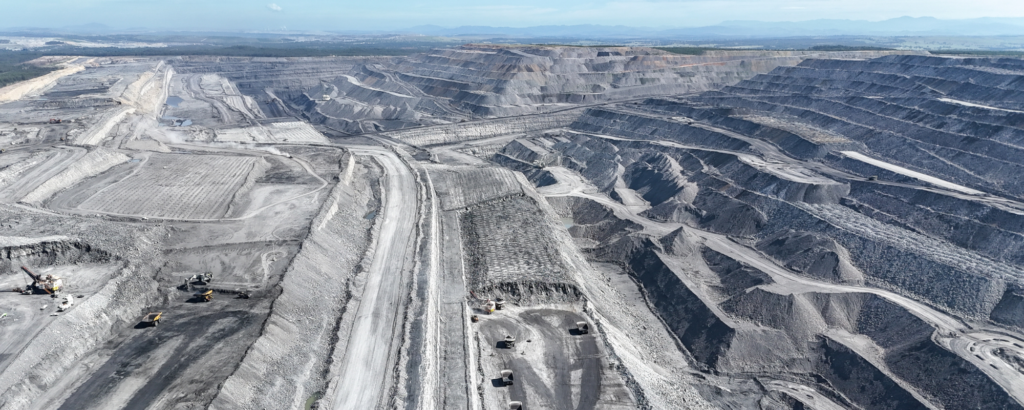
Hunter Valley Operations: What happens now NSW has approved its biggest-ever coal project
NSW’s largest-ever coal mine expansion has been approved by the Independent Planning Commission. Here’s what’s at stake for the climate and the Hunter.
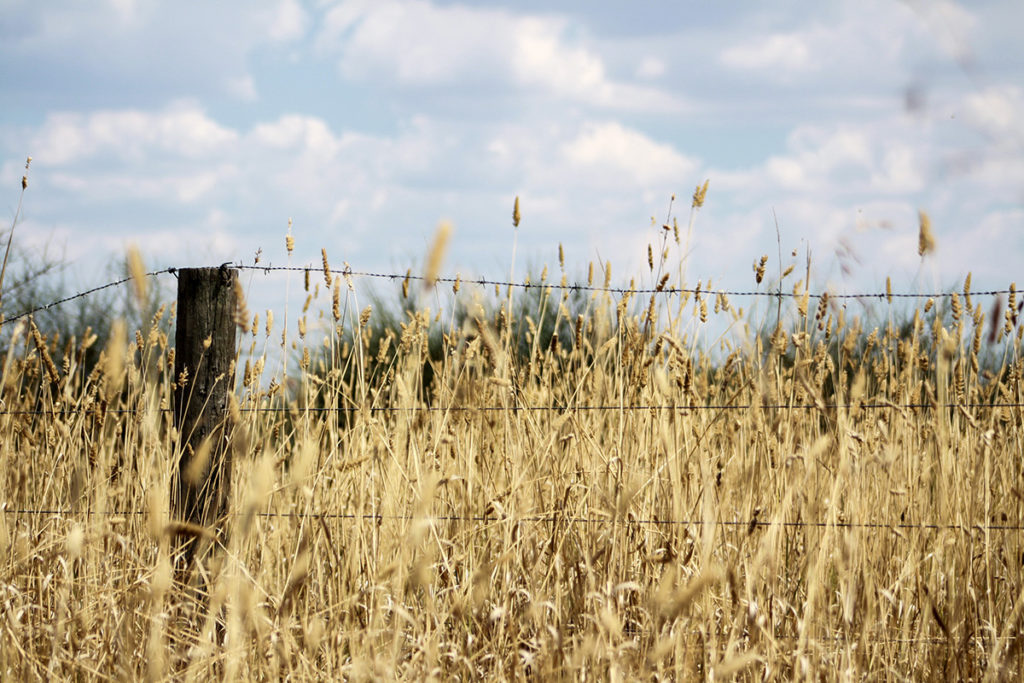
Climate Pollution and El Niño
Weather services have warned the current El Niño is on track to become the strongest since records began early last century, which has implications for floods, drought and heat in certain regions around the globe.
Climate Impacts Explainers
Climate impacts are all around us, disrupting our way of life and threatening everything we know and love. We’ve broken down some of the most important issues to help you understand how climate change is affecting our lives.
Climate Pollution and El Niño
Weather services have warned the current El Niño is on track to become the strongest since records began early last century, which has implications for floods, drought and heat in certain regions around the globe.

New EPBC reforms: Wins for forests, responsible renewables but climate sidelined
Our national environment law doesn’t directly address climate change, and it isn’t adequately protecting our treasured natural places. The Environmental Protection & Biodiversity Conservation (EPBC) Act is the main environmental protection law that’s meant to shield Australia’s unique plants, World Heritage-listed places, ecosystems and endangered species from further harm.
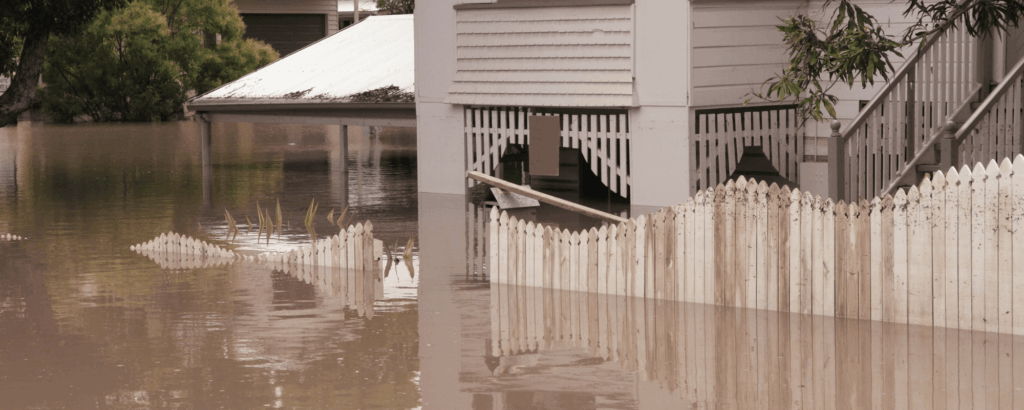
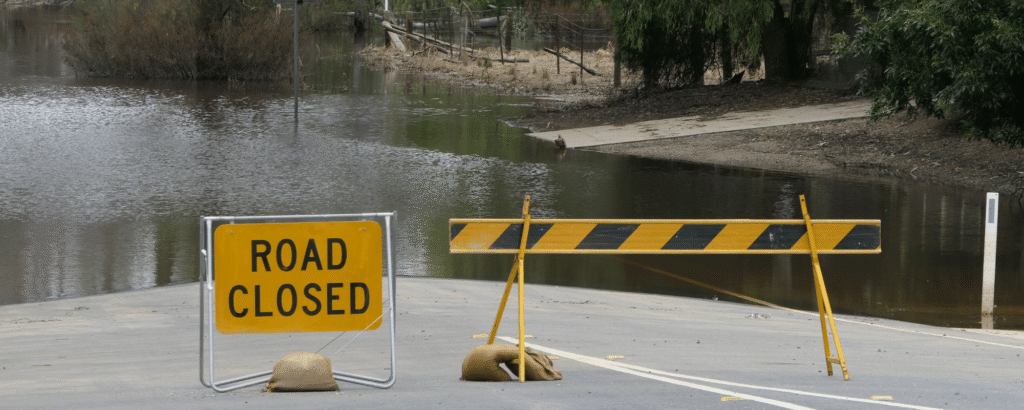
Property Value Report: How climate change could worsen Australia’s $42 billion flood risk
Climate pollution is endangering our homes, and risking the biggest asset of many Australians, with new analysis revealing flood risk has put a $42.2 billion dent in property values.
Everything you need to know about Australia’s 2035 climate target
Setting Australia’s 2035 climate target is one of the most important decisions the government has made. This rapid analysis explains Australia’s 2035 climate target, where it came from, and what it means for our future.

Compounding climate risk: New government report warns that Australia could face severe impacts
The national risk assessment outlines the worst risks that Australia faces, from extreme heat, to flooding and drought, into the future. The only solution is to rapidly slash climate pollution from coal, oil and gas, and replace energy sources with clean alternatives.

2035 Climate Targets in Australia: Fact Sheet
Climate Council’s recent analysis shows that net zero by 2035 has the strongest chance of preventing massive disruption to the global climate system.
Wildfires in winter: What you need to know about the catastrophe unfolding in Los Angeles
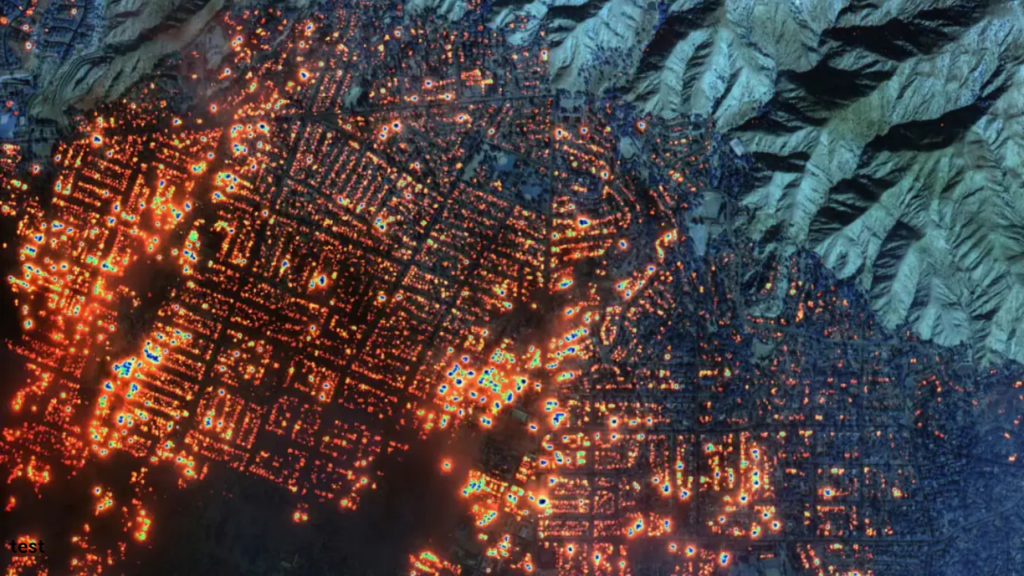
What’s happening in Los Angeles is a catastrophe: LA residents are the latest victims of a worsening climate crisis.
The State of the Climate report: what it says for Aussies
Two of Australia’s expert government agencies, the Bureau of Meteorology and CSIRO, have released the ‘State of the Climate 2024’ report, and it’s a big deal.
Energy Explainers
Australia’s shift to clean energy is well underway, with around 40% of the electricity in our main national grid coming from renewable sources. Find out more about our energy transformation and how we can become a world leader in renewable energy.
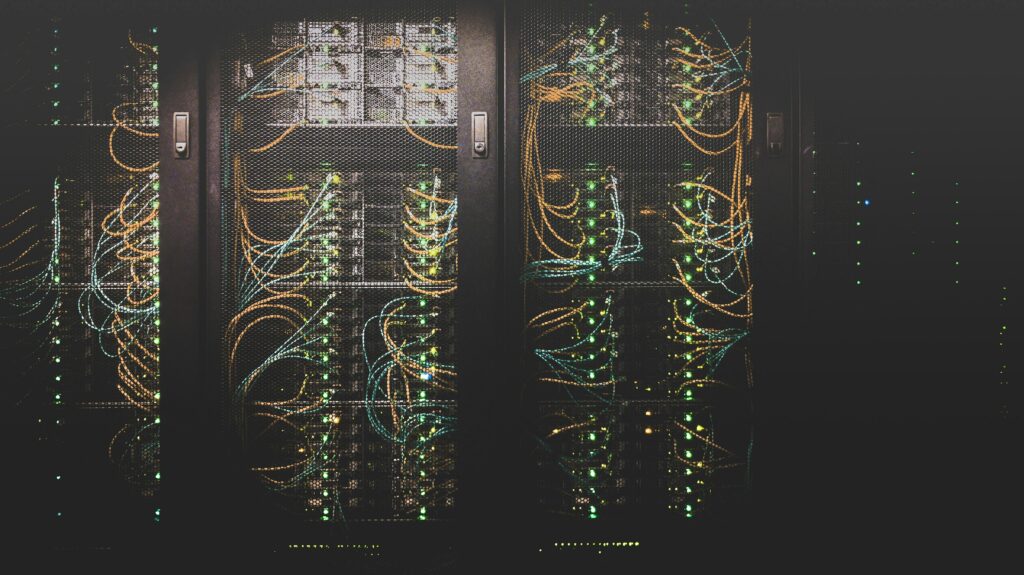
Seizing the opportunity to do data centres right
As demand for data centres surges, driven largely by the growth in artificial intelligence (AI) and cloud computing, we need to carefully manage their impact on our grid and environment.
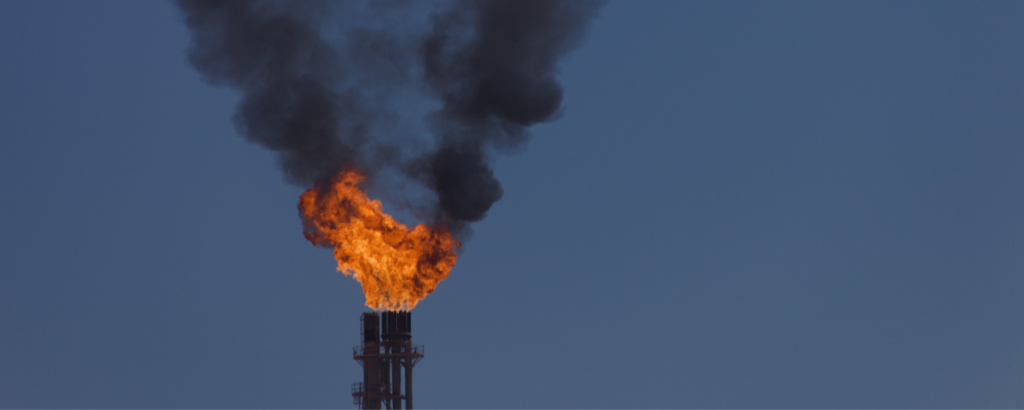
5 reasons why Australia needs to break up with gas
For too long, Australia has been in a toxic relationship with gas. So here are 5 reasons why we need to break up with gas. For good.
What is the best, lowest-cost way to provide the energy Australia needs? A roadmap for our energy system
We break down the Australian Energy Market Operators latest report and explain its Integrated Systems Plan.
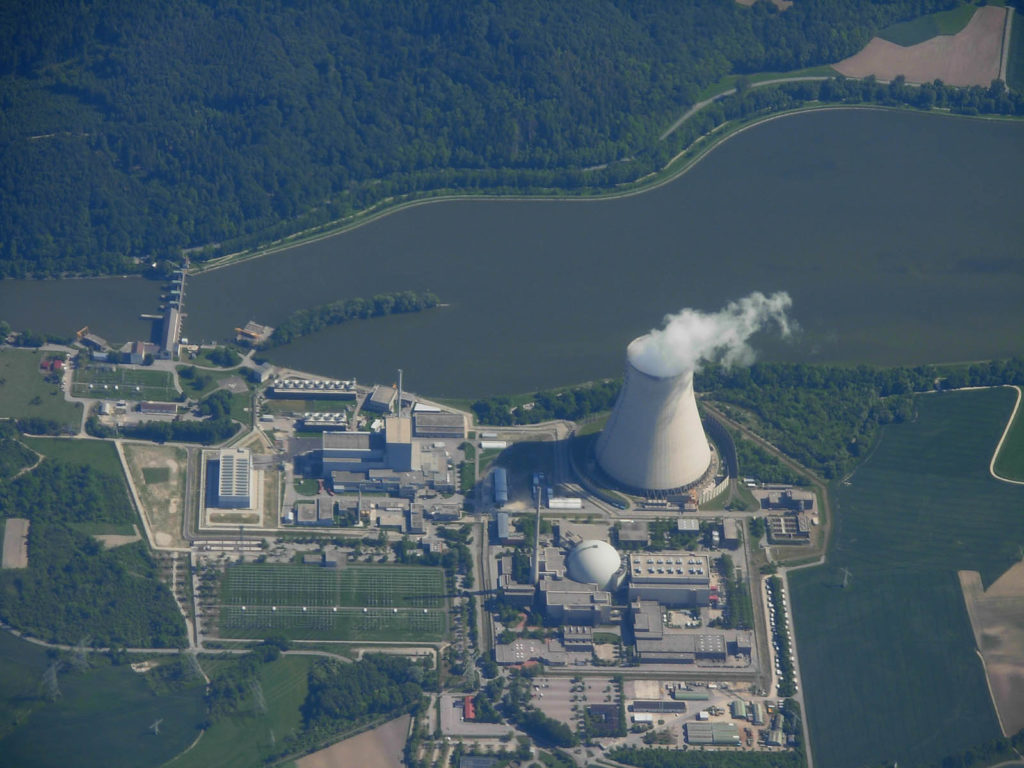
Why nuclear energy is not worth the risk for Australia
Nuclear energy risks our energy security, our economy, the safety of our communities and our kids’ future.
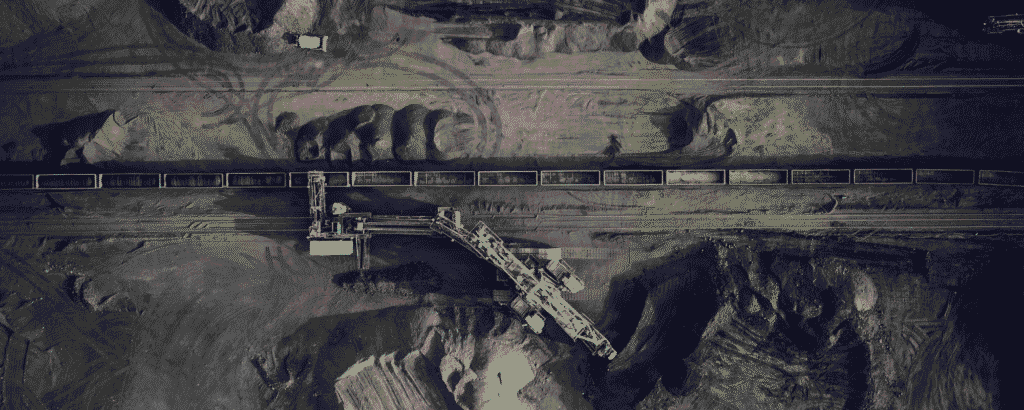
What is the diesel fuel rebate, and why is the government paying big miners to pollute?
While everyday Australians tighten their belts, big mining corporations are pocketing billions in government fuel subsidies, padding their profits and pumping up pollution.
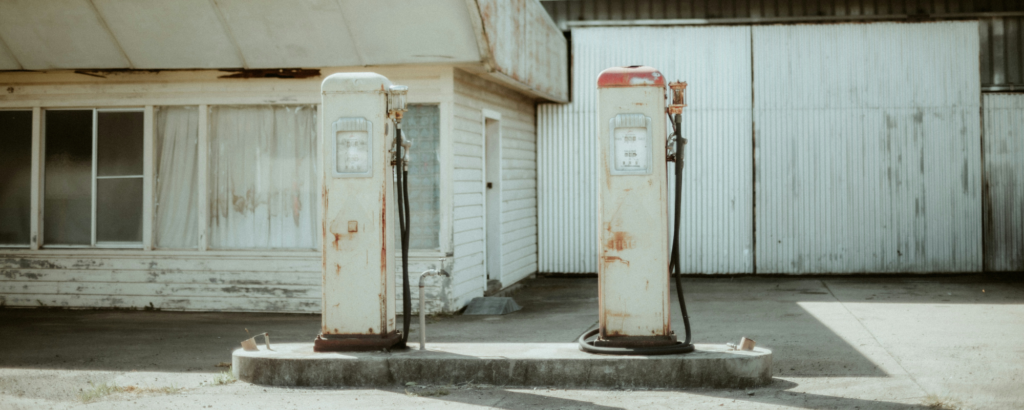
Four Ways to Unlock Lasting Energy Security in this Year’s Federal Budget
In the face of a global energy crisis, the Australian Government has introduced short-term measures to manage fuel supplies and price spikes, including releasing emergency stockpiles and halving the fuel excise.
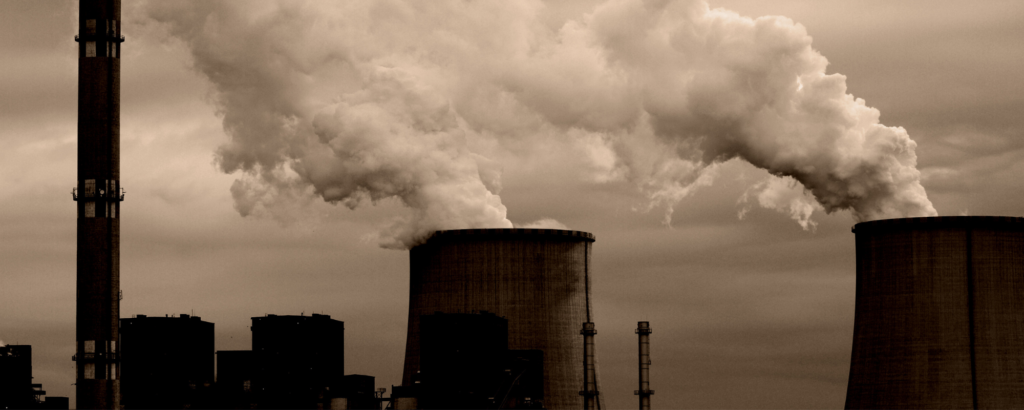
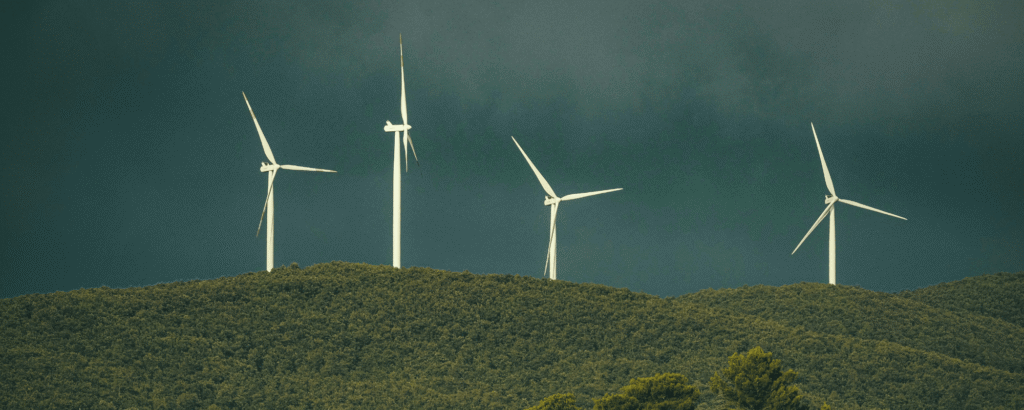
How we can power Australia with renewable energy while protecting nature
The wellbeing, livelihoods and security of Australian communities, and the precious ecosystems upon which we depend for our survival, rest on tackling the climate crisis.

Five reasons why your power bills are sky high–and how we can help bring them down
Everyone is talking about their high and rising energy bills, and we know the culprit. Here’s five things you need to know about what’s really going on with power prices in Australia.
Climate Science Explainers
We’ve translated complex climate science so you don’t have to. Take a read of our easy-to-understand breakdowns.
Climate Pollution and El Niño
Weather services have warned the current El Niño is on track to become the strongest since records began early last century, which has implications for floods, drought and heat in certain regions around the globe.
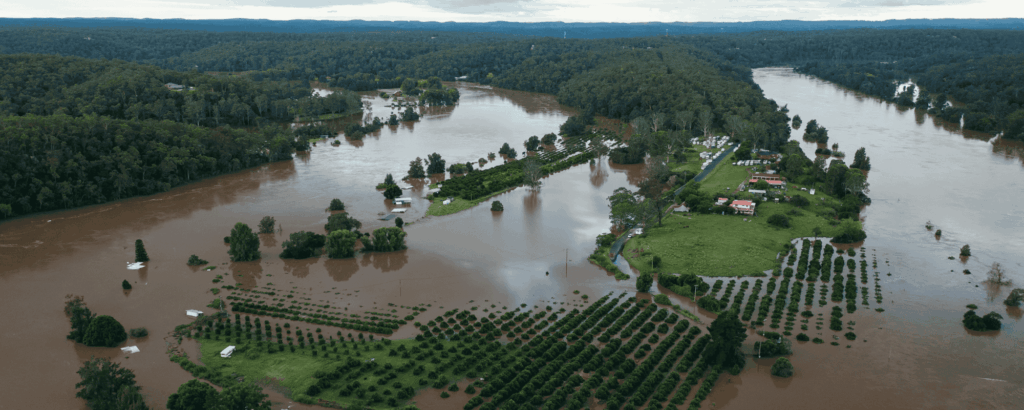
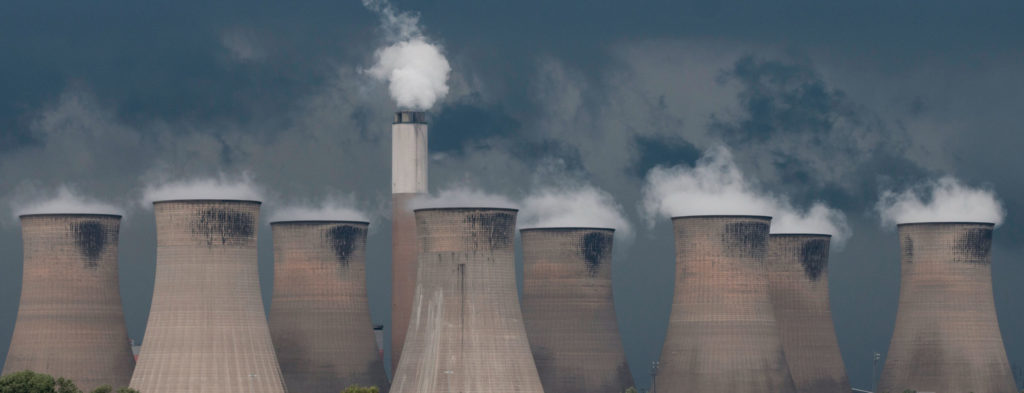
What does net zero emissions mean?
Everyone is talking about ‘net zero emissions’—but what exactly does that mean, why do we want to achieve it, and how do we get there by 2050?
Property Value Report: How climate change could worsen Australia’s $42 billion flood risk
Climate pollution is endangering our homes, and risking the biggest asset of many Australians, with new analysis revealing flood risk has put a $42.2 billion dent in property values.
2035 Climate Targets in Australia: Fact Sheet
Climate Council’s recent analysis shows that net zero by 2035 has the strongest chance of preventing massive disruption to the global climate system.
The State of the Climate report: what it says for Aussies
Two of Australia’s expert government agencies, the Bureau of Meteorology and CSIRO, have released the ‘State of the Climate 2024’ report, and it’s a big deal.
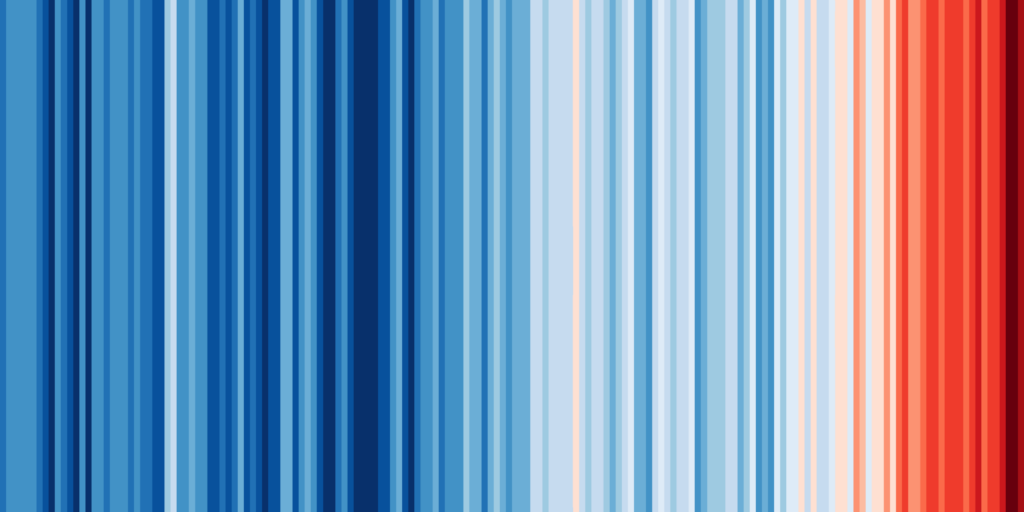
Have we already gone past 1.5 degrees of warming?
Scientists have found that the world has warmed by 1.2°C based on averaging temperatures over the most recent 10 year period. This means that, although a lot of work needs to be done to maintain a safe and healthy climate, we have not yet gone past 1.5°C of warming.
El Niño has ended. What now?
Australia’s Bureau of Meteorology declared the latest El Niño has ended. We break down what we can expect going forward.

How hot will your neighbourhood be by 2050
We all deserve somewhere safe to call home. Yet Australia’s summers are getting hotter and more dangerous. According to our new Heat Map tool, for nearly one third of Australian communities, the number of days over 35°C experienced each year could double by 2050.
Popular Categories
- Annual Reports
- Causes
- Cities Power Partnership
- Climate Change
- Climate Impacts
- Climate Leaders
- Climate Politics
- Climate Science
- Critical Decade
- Economy
- Effects
- Emergency Leaders for Climate Action
- Energy
- Extreme Weather
- Factsheet
- Health
- International Action
- Security
- Solutions
- Submissions
- The Facts
- The Problem
- Transport
- What Can I Do?