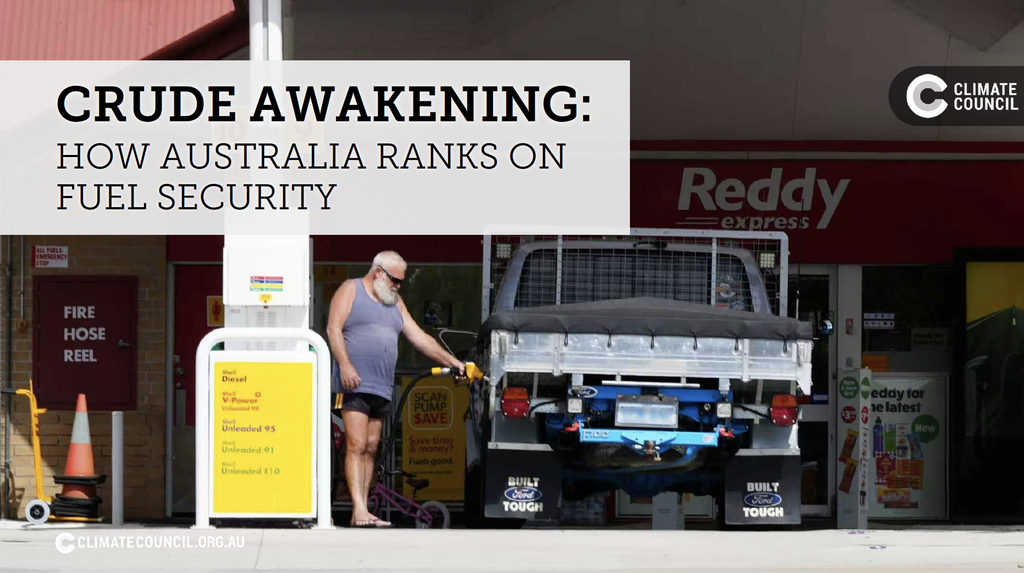
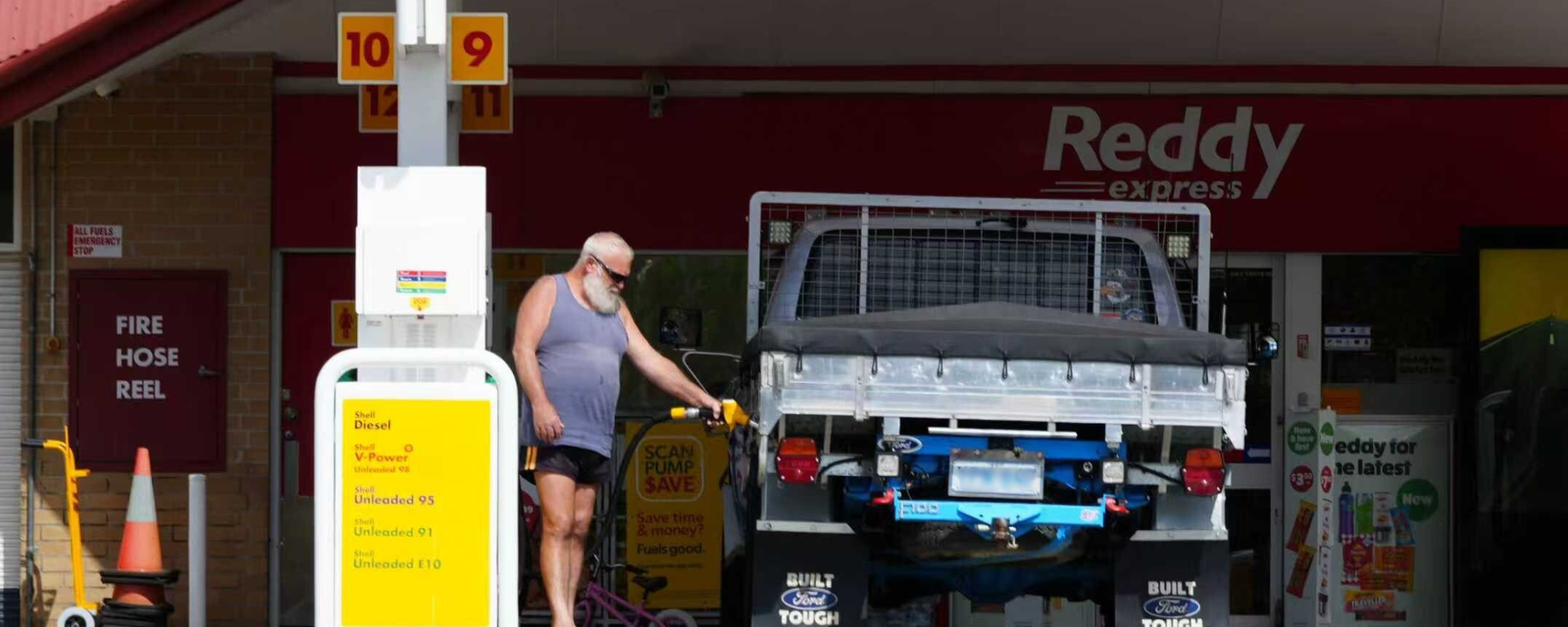
Since the United States and Israel launched strikes on Iran on 28 February, Australians have lived through more than six months of fuel chaos. Petrol and diesel prices surged almost instantly, freight and food costs followed, and households felt it at the pump and the checkout. This was the second global energy shock in just four years.
Our leaders can’t control conflicts on the other side of the world, but they can influence how much they hurt at home. Australia is among the most exposed countries to fuel shocks. We are the world’s largest seaborne diesel importer and rank second in the world for diesel use per person. From March to August, Australia’s extra diesel import bill topped $9 billion: the largest of any country, and two and a half times more than the next highest.
Australians have paid for that exposure. First at the servo: higher fuel prices have cost us an extra $5 billion so far this year. Second, at the checkout: road freight costs rose more than 15% in the June quarter, pushing up the price of everyday items. The government also gave up $3.3 billion in revenue to provide temporary fuel relief. When it ended, fuel prices jumped 14.8% in a single month.
This report reviews six months of fuel chaos. It sets out what the crisis has cost Australians at the servo and at the checkout. It compares Australia’s energy security and vulnerability against other countries: outlining the measures that are helping to shield households versus where we remain highly exposed, with diesel and freight the weakest link. And it explains why drilling for more oil or building new refineries won’t protect us from the next shock, and what needs to be done instead.
The solutions that do work are already here, but need to be scaled up. Electric and hybrid cars on our roads now use about 17 million fewer litres of petrol and diesel every week, collectively saving their owners about $1.7 billion in fuel costs since the war began. Electric trucks are starting to do the same for freight. Meanwhile, in the September quarter, renewables pushed wholesale power prices down 27% from a year earlier and cut gas-fired power to its lowest level for that quarter since 2000.
The faster we power our homes, transport and businesses with Australian sun and wind, the more control we’ll have over our energy costs, and the more we’ll cut climate pollution. The Australian Government must shift public investment away from measures that prop up our costly oil and gas use, to the solutions that actually protect us.
Key Findings
- Australia is the world’s largest seaborne importer of diesel. We buy around 90% of what we use from overseas, and have nearly exhausted our own supply.
- We rank higher than any other major economy for diesel use per person, and demand is going up, not down: two and a half times what it was in 2000.
- From March to August, Australia picked up the world’s biggest diesel tab from the war on Iran: $9 billion, or more than twice as much as the next highest country.
- At the servo: higher fuel prices have cost Australian drivers an extra $5 billion since the Iran war began. By late September, this was adding up to $300 million extra a week.
- At the checkout: transport costs jumped 9.2% in March alone, and road freight costs rose a record 17.6% in the year to June. That pushed up the cost of the weekly shop, and inflation.
- Cost to government: temporary fuel relief at the pump cost $3.3 billion in lost government revenue. When the relief ended, fuel prices jumped 14.8% in a single month, and we were back where we started: no better protected against the next shock.
- Drivers who switched to electric vehicles or shared transport were spared the worst. Collectively, electric and hybrid cars saved their owners $1.7 billion in fuel costs since the conflict began.
- Those cars are also cutting demand for imported fuel, saving 17.4 million litres of petrol and diesel a week – enough to drive from Sydney to Melbourne more than 210,000 times over.
- In the June quarter, renewables supplied a record June-quarter share of power in our main grid and wholesale electricity prices fell 47% from a year earlier.
- Batteries are cutting our need for expensive, polluting gas in the evening peak. Big batteries alone have saved the equivalent yearly gas of more than 530,000 Victorian homes (26.1 petajoules), and gas-fired power fell to its lowest June quarter level in over 20 years.
- Australia ranks first in the world for rooftop solar per person – with solar on more than 4.5 million rooftops – and is a leader in batteries of all sizes.
- Half a million homes and businesses have installed a battery in just over a year.
- Although policies such as the New Vehicle Efficiency Standard have substantially increased EV uptake, we’re still lagging on public charging, with 41 EVs on the road for every public charger (almost four times the global average).
- Buses are leading the charge when it comes to electrifying road transport in Australia: almost one third of new buses sold in the first half of 2026 were electric, compared with almost 25% of passenger cars.
- Diesel and freight are our weakest link: our truck fleet runs almost entirely on diesel, and fewer than one in 100 new trucks sold is electric (0.7%), compared with 20% in China, 7% in Germany and almost 3% in the UK.
- From the 1970s to 2026: oil shocks have kept coming. We can’t stop the next one, but we can decide how hard it hits us.
- Electric vehicles are already saving millions of litres of fuel, and billions in fuel costs. More Australians driving EVs means more families in control of their energy needs.
- Road freight and mining burn 65% of our diesel. Electrifying these sectors means we can effectively protect ourselves from another oil shock.
- Mining has enormous profit margins and the technology to go electric. Instead, taxpayers handed the 18 biggest miners $3.4 billion in fuel tax credits last year to keep burning diesel.
- Freight can switch too: 1384 electric trucks are already on our roads, and the first electric trucking run from Sydney to Canberra lowered energy costs by 84%. This can scale up if governments invest in charging along freight routes, fairer weight limits and upfront support.
- No foreign conflict can cut off our sun and wind. Using more renewable power on our roads, in our grid and across industry would put us in control when the next oil shock hits.