Multinational coal, oil and gas corporations are exploiting loopholes in Australia’s industrial pollution law to pump out more climate pollution, not less, new Climate Council analysis has found.
This report finds the biggest polluters continuously covered by the Safeguard Mechanism have cut their climate pollution by just 0.4%, falling far short of the 4.9% cut set out in the law.
The problem is that corporations are able to buy their way out of their obligations, purchasing as many cheap “offsets” as they like, rather than cutting pollution. Fossil fuel facilities have gone backwards, increasing their climate pollution by 0.2%.
Key Findings
1. Australians are already paying the price for climate change and doing their bit to cut climate pollution – but our biggest polluters aren’t doing their fair share.
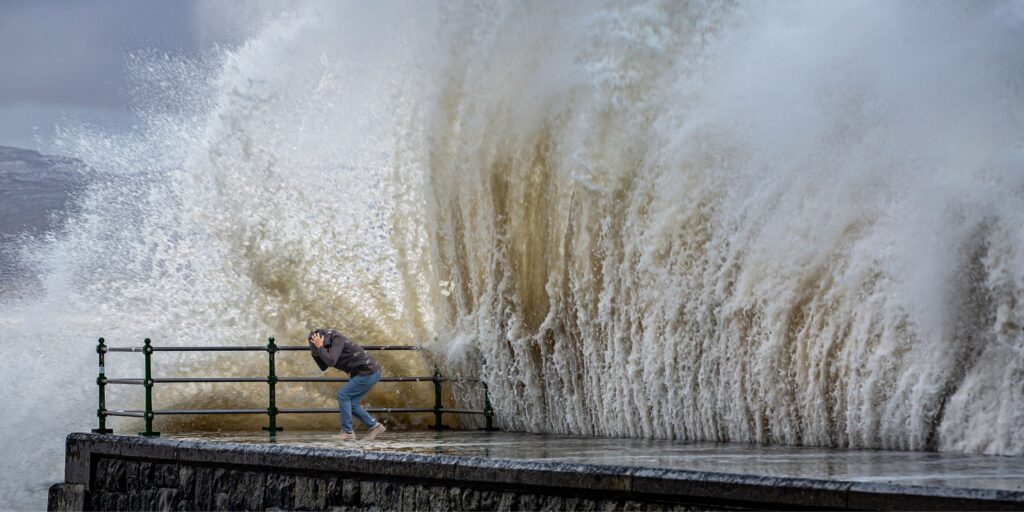
- Climate pollution from coal, oil and gas is driving worsening climate disasters and rising costs for essentials – with insurance premiums increasing $30 billion over the past decade, and groceries projected to cost up to $3,000 more a year by 2070.
- Australians are doing their bit to cut pollution – 4.4 million families have rooftop solar and more than 340,000 installed a home battery in the past year – helping renewables supply half the power in our national grid in late 2025.
- Big polluters in heavy industry and resources aren’t pulling their weight. Their pollution is expected to drop just 7.6% over the five years to 2030, compared to a 19% reduction across Australia.
2. Coal and gas corporations are exploiting loopholes in our national industrial pollution law – the Safeguard Mechanism – to increase pollution instead of cutting it.
- The Safeguard Mechanism is Australia’s key law to drive down industrial pollution – but two years into the Albanese Government’s reforms, pollution has barely budged.
- The 197 major polluters continuously covered by the law have only reduced pollution by 0.40%, falling far short of the 4.9% cut set out in the Safeguard Mechanism.
- The big problem is that corporations are able to buy their way out of their obligations, purchasing as many cheap “offsets” as they like, rather than cutting pollution.
- These loopholes have enabled fossil fuel corporations to increase their pollution rather than cut it. Pollution from continuously covered fossil fuel facilities has gone up by 0.2%.
- Polluters are projected to continue relying more on offsets than genuine cuts until at least 2035, because it’s cheaper and easier than cleaning up their pollution at the source.
3. Coal, gas and mining corporations are the largest polluters and have many affordable options to cut pollution today.
- Australia needs to cut climate pollution, while fostering the growth of critical long-term industries like manufacturing. To do so, our industrial pollution law should first focus on cutting climate pollution where proven solutions are readily available.
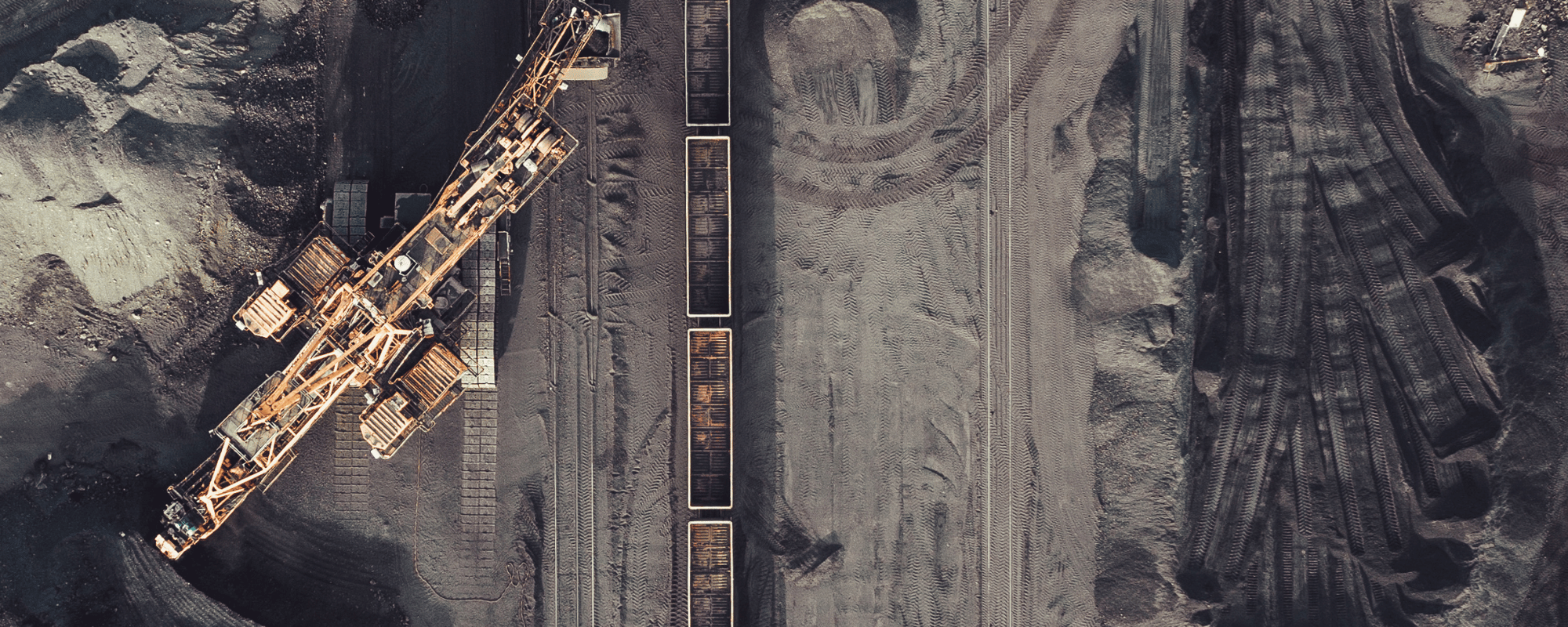
- The resources sector – including coal, gas and iron ore – represents 64% of the pollution covered by our industrial pollution law, but isn’t doing enough to cut it.
- Proven, cost-effective technology to slash on-site pollution from the resources industry is already available, from electrifying trucks to stopping methane leaks.
- Coal, gas and mining corporations also have the financial means to invest in cutting pollution. With net profit margins from 21% to 39%, they are some of Australia’s most profitable corporations.
- Coal, gas and mining corporations can cut pollution now – so they should face tighter pollution limits than long-term industries like steel, aluminium, cement and chemicals, which have tighter margins and fewer options.
4. The Albanese Government must use the 2026-27 review of the Safeguard Mechanism to close loopholes, end the free ride for fossil fuels and rein in industrial climate pollution.
- Most Australians (62%) support the Government strengthening the Safeguard Mechanism – and the 2026-27 review is the moment to act.1
- The Safeguard Mechanism should be aligned with the top-end of Australia’s 2035 climate target (a 70% cut), to deliver on our domestic and international commitments, and keep Australians safer from climate harm.
- The use of offsets (ACCUs) should be phased out over time to encourage cutting pollution at the source, and only used for climate pollution that cannot yet be cut entirely (such as aviation).
- Loopholes that allow major expansions and extensions to shirk the tighter ‘best-practice’ pollution limits given to new projects should be closed.
- All new, expanded, and extended coal and gas facilities should be accountable for every tonne of domestic climate pollution from day one – per existing rules for shale gas.
Policy Recommendations
Eight ways to strengthen the Safeguard Mechanism to rein in harmful industrial pollution and secure Australia’s clean industry future:
1. Align the scheme with the top end of Australia’s 2035 climate target with a 6.8% overall decline rate across the scheme, in line with a 70% reduction in Australia’s climate pollution by 2035.
2. Legislate updated ‘Safeguard Objects’ to track progress in the 2030s. ‘Safeguard Objects’ are goals set in the law, which are used to monitor progress. But the current Safeguard Objects only last until 2030, and new goals are required to track progress towards Australia’s 2035 target.
3. Apply tougher rules to highly-profitable and highly-polluting industries with the greatest capacity to cut climate pollution. A stronger decline rate can be set for coal mining, oil and gas extraction, LNG export and metals mining industries, acknowledging their greater financial and technological capacity to cut climate pollution. Industries with a lower capacity could receive a moderated decline rate, enabling a longer-term transition.
4. Phase-out offsets except where absolutely necessary, limiting offset use to 5-10% of pre-decline baselines by 2035, except in limited cases of unavoidable pollution from long-term industries.
5. Maintain the prohibition of international offsets, consistent with Australia’s commitments under the 2035 target and Climate Change Authority advice.
6. Reform offset price rules to ensure incentives to cut climate pollution are strong and predictable by introducing a price-floor for offsets, and replacing the current arbitrary price cap with a ‘speed limit’ on price rises.
7. Close loopholes that let new developments dodge stronger pollution limits by applying best-practice pollution limits to all material expansions and extensions in addition to new projects.
8. Make fossil fuel developments responsible for all of their domestic climate pollution from day one by setting their best-practice pollution limit to zero, in line with the best available science.
WHAT CAN YOU DO ABOUT IT?
You can join our call for Prime Minister Anthony Albanese and key Government Ministers to stand up to fossil fuel corporations and protect the interests of all Australians by signing our petition to End the Free Ride for Fossil Fuels.
You can also share this report with your friends and family, and dig into our explainer for more information.