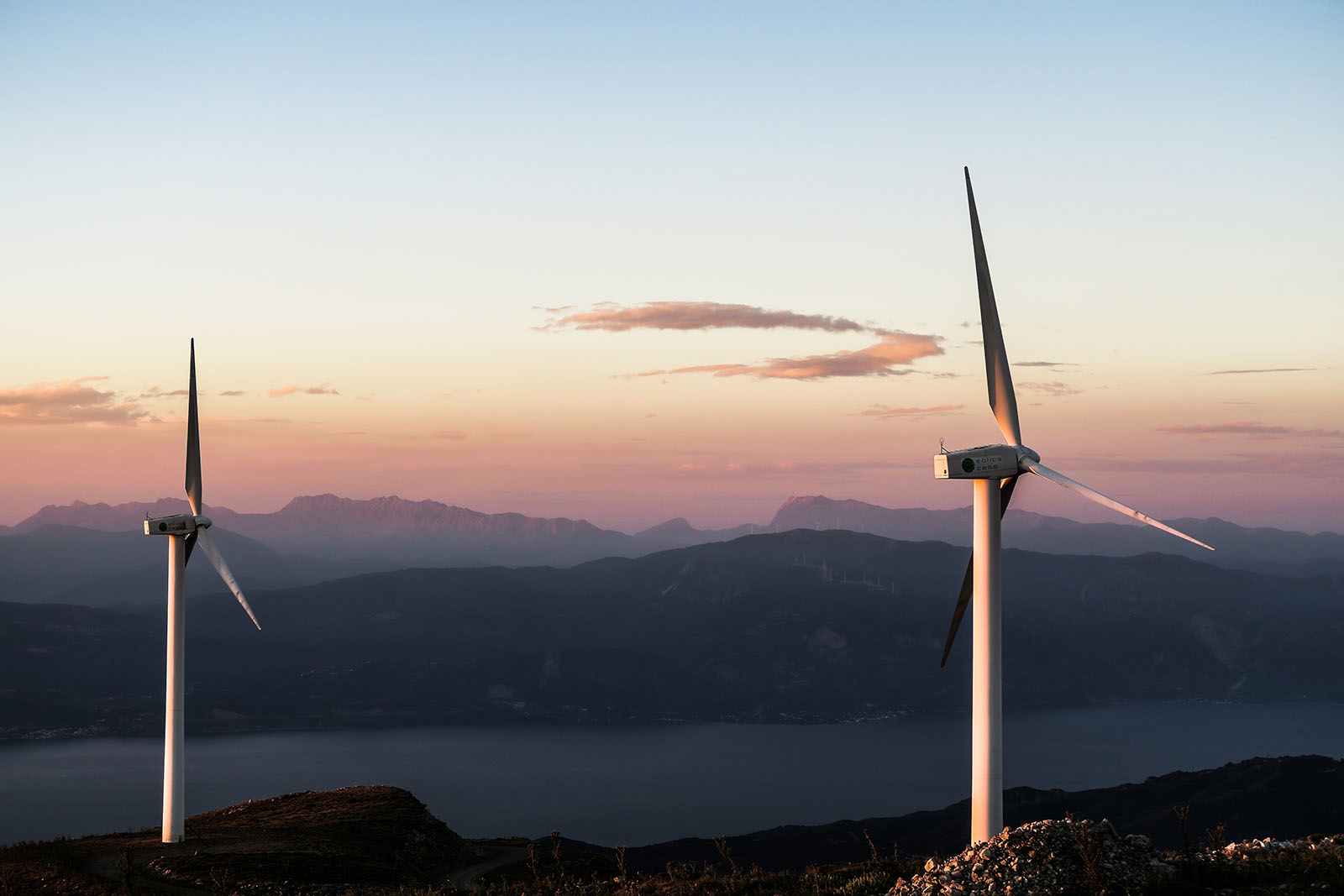
Photo of wind turbines at sunset in front of mountains and water

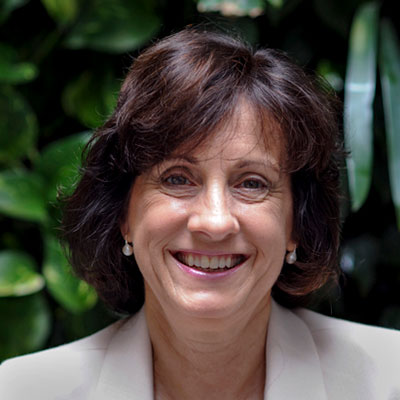
Professor Lesley Hughes

Director and Councillor
Professor Lesley Hughes

Professor Lesley Hughes is a Distinguished Professor of Biology and former Pro Vice-Chancellor (Research Integrity & Development) and Interim Executive Dean of the Faculty of Science and Engineering at Macquarie University. Her research has mainly focused on the impacts of climate change on species and ecosystems.

She is a former federal Climate Commissioner and former Lead Author in the IPCC’s 4th and 5th Assessment Report. She is a founding Councillor with the Climate Council of Australia, a former Director for WWF Australia, and a member of the Wentworth Group of Concerned Scientists. She has recently been appointed as a member of the Climate Change Authority.
Speaking Engagements and Media

Speaking engagements

Book via this form

Media and other enquiries

Email media@climatecouncil.org.au

Publications and Resources

firefighter standing in front of bushfire

Summer of Crisis

Australia’s Black Summer of 2019-2020 was characterised by catastrophic bushfires. The bushfire season started in winter and was the worst on record for NSW in terms of its intensity, the area burned, and the number of properties lost. It was also the worst season on record for properties lost in Queensland.

Learn more
An image of a silhouette of a fire fighter putting out a bushfire.

Dangerous Summer: Escalating Bushfire, Heat and Drought Risk

A long-term warming trend from the burning of coal, oil & gas is supercharging extreme weather events, putting Australian lives, our economy & our environment at risk. The Climate Council’s new report finds this summer is shaping up as a terrible trifecta of heatwaves, droughts & bushfires made worse by climate change.

Learn more
Before and after photo of a mangrove

This is what climate change looks like

Australia is home to more than a million species of plants and animals, yet our track record on conservation is woeful; climate change is making it even harder to protect our natural ecosystems and unique wildlife.

Learn more