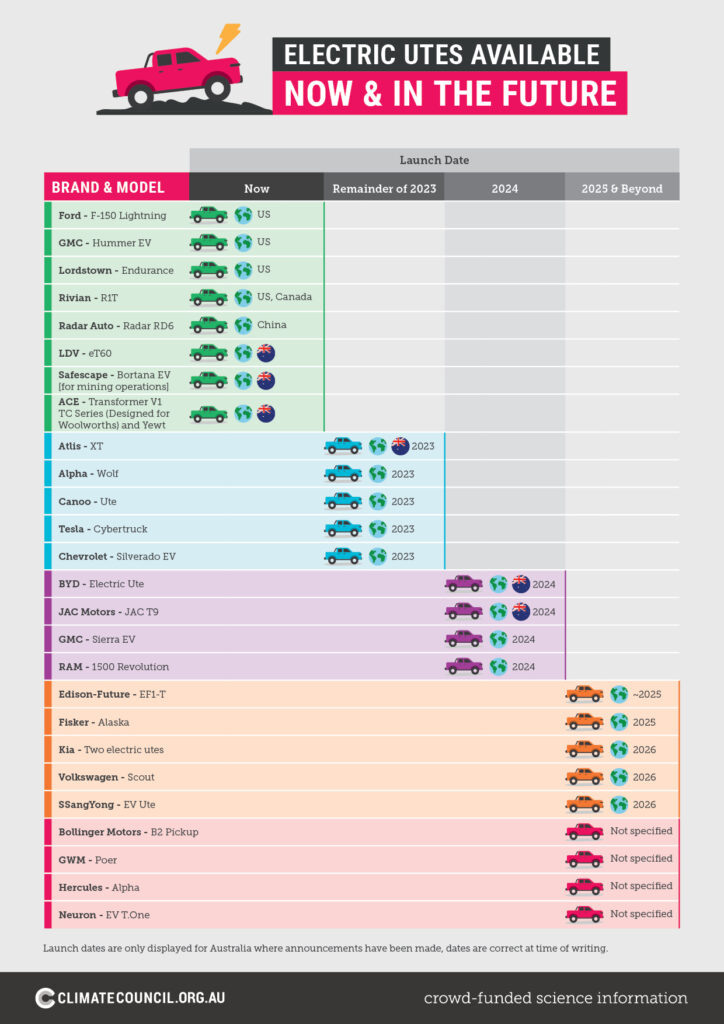
Utes have long been part of work life in Australia, used in particular for construction, mining and agriculture. Some drivers also use them for convenience and recreation, with utes now making up one in five new car sales. As we move towards a zero emission future, we all need to think about how we move around. While there needs to be a focus on encouraging zero emissions ways of getting around like active and public transport, it is likely utes will continue to play some role in Australia’s transport mix.
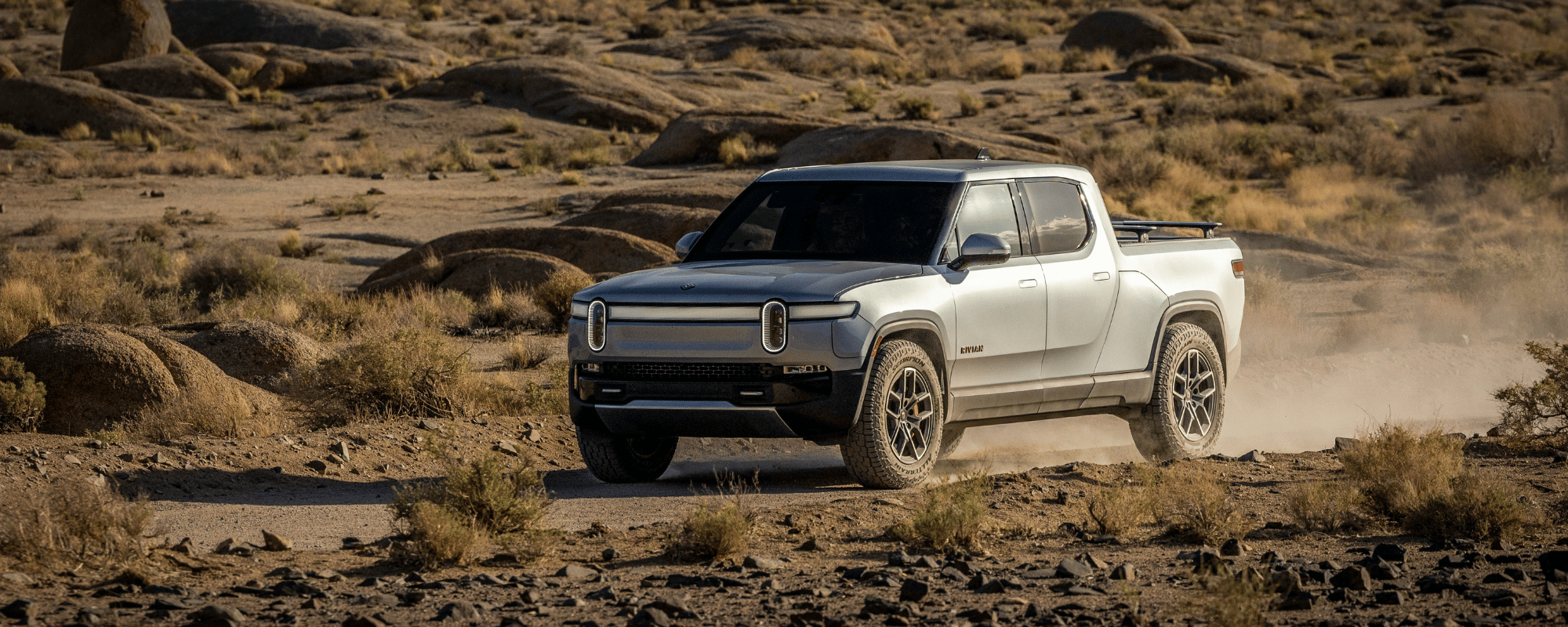
The good news is zero emissions electric utes are on the way. The top selling ute for over four decades in major markets – the Ford F-150 – is now available in an all-electric version in the United States (US) and other markets. A growing number of mainstream brands are ramping up production of zero emissions utes. These aren’t as widely available as zero emissions light passenger vehicles yet, but the technology is improving fast and more zero emissions utes are expected to become available in the next five years.
Read more in our new report: Ute Beauty! The case for lower and zero emissions utes in Australia