What is deforestation?
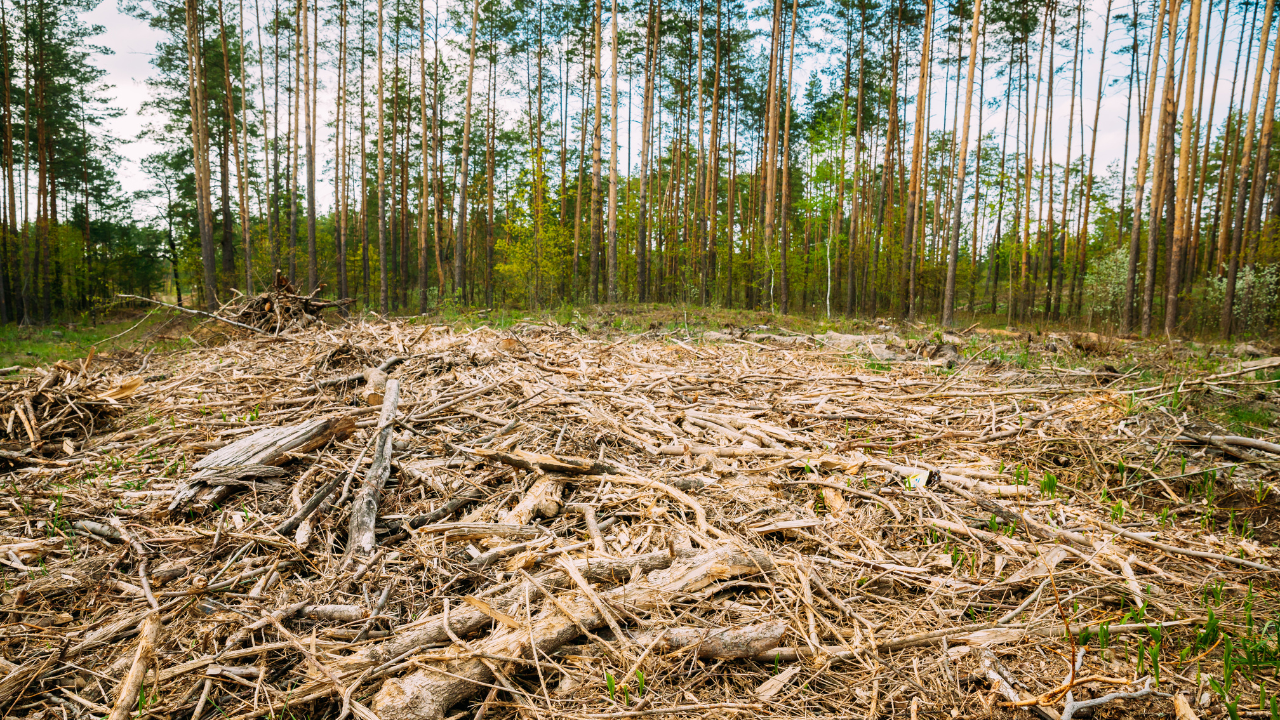
Deforestation is the permanent loss of forest, when land is cleared and converted to another use such as agriculture, infrastructure, or urban development. Unlike temporary forest loss (such as plantation forestry), deforestation generally results in a long-term change in land use, where the forest does not regrow.
What drives it?
The largest driver of global deforestation is the expansion of farming – accounting for up to 90% of tropical deforestation globally. The main types of farming that drive deforestation are cattle ranching and soy bean farms (particularly in South America) and palm oil plantations (particularly in Africa and Southeast Asia). (Incidentally, more than three quarters of global soy production is used as feed for animals).
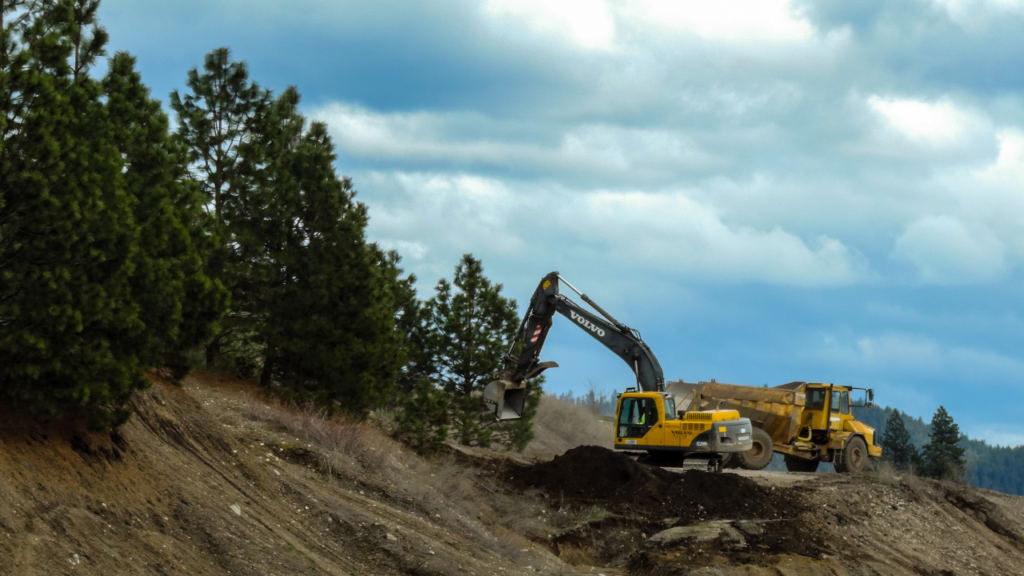
Other causes of deforestation include commercial logging (both legal and illegal), supplying timber for paper, pulp and furniture, expanding cities and mining. In some areas such as Sub-Saharan Africa, India and Nepal, cutting down trees for fuel is a major driver of deforestation.
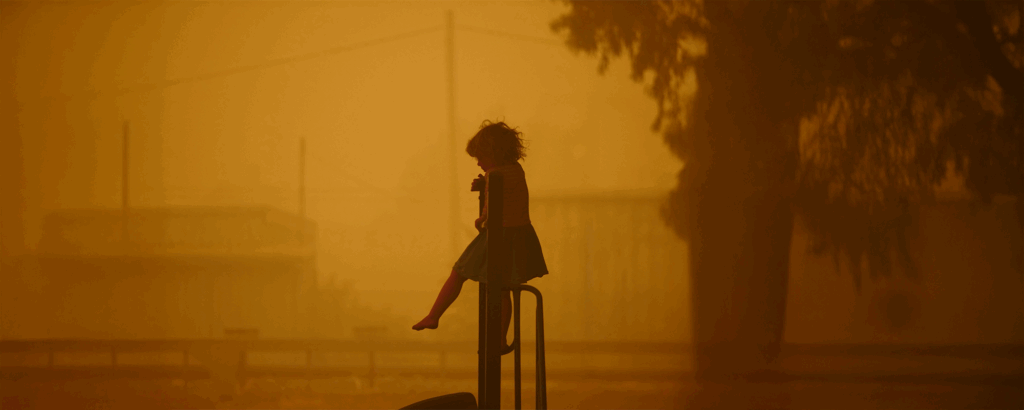
Increasingly, massive fires are a major driver too. Whilst fires can be part of a natural ecosystem, escalating, climate-driven fires are now also a major cause of forest loss globally – resulting in the permanent transformation of forests into savanna-like landscapes. In places like the Amazon, land grabbers have played a role in the surge in forest loss, deliberately setting fires to clear land for cattle ranching or other purposes.
In Australia, deforestation is primarily driven by farming, particularly clearing of native vegetation to establish pastures for livestock grazing (primarily cattle and also sheep). This accounts for 70-90% of native vegetation clearing in key areas such as Queensland.
Weak laws in places like Queensland and NSW have historically enabled large-scale clearing of native vegetation. Expanding urban areas, as well as mining, are also key contributors in some areas.
How does deforestation contribute to climate change?
Forests store large amounts of carbon. Trees and other plants absorb carbon dioxide from the atmosphere as they grow. This is converted into carbon and stored in the plant’s branches, leaves, trunks, roots and in the soil. When forests are cleared or burnt, this stored carbon is released into the atmosphere, mainly as carbon dioxide, which worsens climate change.
The scale of this release of carbon is enormous.
In 2024, the tropics lost 6.7 million hectares of primary rainforest – more than any other year in the past two decades. This is equivalent to 18 soccer footballs being cleared every minute – twice as fast as what was cleared during 2023. Tree loss across both tropical and boreal forests resulted in approximately 4.1 gigatonnes (Gt) of greenhouse gas pollution being released in 2024. That equates to 7-10% of global carbon dioxide emissions that year.
Can planting trees address climate change?
Planting trees can help to draw down carbon dioxide from the atmosphere. But planting trees can never make up for continuing to pollute.
Digging up and burning fossil fuels unleashes long-buried carbon into the atmosphere, whereas trees offer temporary, fragile storage. This can later be released via fires or decay; failing to provide the permanent removal of carbon required to combat climate change.
To illustrate how quickly the stored carbon in forests can go up in smoke, the 2019-20 Black Summer fires in Australia released approximately 963 Mt of CO2, which is more than double Australia’s emissions from all sources in 2024. In 2023, forest fires in Canada released more than one billion tonnes of CO2 (1,069Mt).
Where do we go from here?
Protecting natural ecosystems and sustainably managing and re-establishing forests are important ways to cut climate pollution and slow down temperature rise in the short term by drawing down carbon dioxide from the atmosphere and avoiding its release.
At the same time, we must prevent climate pollution at the source. If we only concentrate on protecting and re-establishing forests, and ignore ongoing pollution from coal, oil and gas, we risk more and more of our existing carbon sinks turning into sources of pollution that worsen climate change.
How can we do this?
In Australia, we can protect forests and restore more land by:
- Ending native forest logging: to avoid releasing emissions from disrupted vegetation and soils, and capture more carbon dioxide by allowing forests to grow.
- Phasing down land clearing: through tighter restrictions on clearing of remnant vegetation and by providing incentives to reduce secondary regrowth clearing and restore more land.
- Working towards a closed loop for the agriculture and land sectors: This means the carbon that is absorbed as new trees grow is not used to ‘offset’ climate pollution from fossil fuels. Together the agriculture and ‘land’ sectors work towards net zero, or net negative emissions over time.
All countries can take action to protect forests (and oceans), which are critical carbon sinks, by, for example, creating protected areas and national parks, and creating effective penalties for illegal logging. Sustainable agricultural intensification, which increases production without requiring more land, is a critical solution to deforestation. Governments can introduce incentives to encourage farmers to adopt these techniques.
Individuals can reduce their meat consumption, especially beef; opt for recycled paper, or items with Forest Stewardship Council (FSC) label, and vote for representatives with strong climate and environmental policies.

GET THE FACTS
Subscribe to the Climate Council today to stay in-the-know on the latest climate news, research and ways you can take action to cut climate pollution.
For information on why we collect and how we will use or disclose the personal information you have provided in this email subscription form, please see our Email Subscription Form Collection Notice here. Our Privacy Policy is also available here.