The wellbeing, livelihoods and security of Australian communities, and the precious ecosystems upon which we depend for our survival, rest on tackling the climate crisis. Extreme heat, floods, droughts and fires – intensified by the burning of coal, oil and gas – are leading drivers of native species decline. Australia’s unique wildlife is among the most at-risk globally as the climate crisis unfolds.
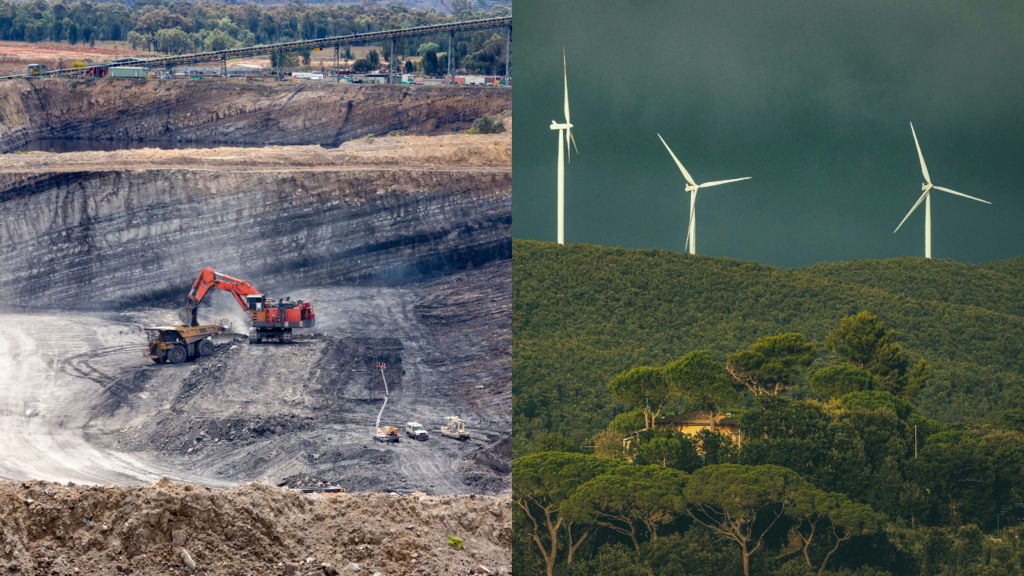
On top of their climate impacts, fossil fuel projects directly damage our environment. For example, recent approvals for coal projects have allowed more than 1,790 hectares of koala habitat to be cleared. More than 10,000 hectares (equivalent to around 5,000 MCGs) of koala habitat remains on the chopping block, and would be cleared as part of new and expanding coal mines. Burning fossil fuels also emits toxic and carcinogenic substances into our air, water and land, severely affecting the health of workers, surrounding communities and ecosystems. Historical failures in the decommissioning process in the fossil fuel sector have left local environments with significant damage and put communities at risk.
Phasing out fossil fuels and switching to clean energy from wind, solar and hydro is one of the fastest ways to cut climate pollution and protect ecosystems. We can and must protect our unique biodiversity while accelerating the renewable rollout at the pace and scale that climate science demands.
What are the environmental impacts of renewable energy projects?
Research shows we can shift to a renewable power system without losing any more biodiversity, by carefully choosing sites for projects.
Like all developments, renewable energy projects can affect local ecosystems. However, these risks are site-specific and can be avoided or minimised by choosing suitable sites, and with careful planning, and additional measures to protect the environment where required. The impacts of renewable projects are far smaller and far more manageable than the direct and ongoing damage caused by fossil fuels.
All renewable projects have to pass through local, state, and often federal government environmental assessment processes before they can go ahead. Analysis by the University of Melbourne and the Australian Conservation Foundation has confirmed that there are plenty of already cleared areas where there’s plenty of sun and wind. We can protect threatened species while delivering clean, affordable energy.
Wetlands and wind farms: Dundonnell Wind Farm, Victoria
The Dundonnell Wind Farm in south-west Victoria powered up in 2021 and now generates enough clean energy to power 245,000 homes. To support the local brolga population, the wind farm is funding local specialists to restore and maintain wetlands that are important habitat for brolgas and other wildlife. The project has reestablished four wetlands that were previously drained for agriculture, helping the brolga population but also other plants and animals.
Wind farms
Before going ahead, a wind farm must go through several levels of environmental assessment and approval to manage environmental risks – including to birds, bats and insects. This process often takes several years. Wind farm operators are required to undertake detailed surveys so any potential impact is well understood and assessed before construction is approved. Once they are up and running, wind farms are required to monitor for impacts and can be required to act if any unexpected impacts occur.
Research has found that wind is around 35 times safer for birdlife than fossil fuels. For every 1 bird killed by a wind turbine, nuclear and fossil fuel-powered plants kill 2,118 birds: replacing fossil fuel generation with wind would save 70 million birds per year worldwide.
Learn more about wind energy and birdlife.
Wind done well: Cattle Hill Wind Farm, Tasmania
Cattle Hill Wind Farm in Tasmania’s central highlands uses groundbreaking ldentiflight technology to detect and prevent harm to wedgetailed eagles. The wind farm was completed in 2020, and is made up of 48 turbines, each standing at 170 metres in height. Over five years, they have collected valuable data including 25 million photos of eagles and other birds to inform improvements to the technology. Identiflight is now moving to other wind farms across Australia.
Offshore wind
There are lots of false claims about the impacts of offshore wind circulating in the political and public debate, perpetuated by bad actors with vested interests. Scientists have confirmed that there is no evidence to link whale stranding or deaths to offshore wind energy development. Scientists across the board also agree that the biggest threat to whales and our oceans is climate change that’s fuelled by the burning of coal, oil and gas.
However, like any development, offshore wind projects can have environmental impacts. Many of these impacts can be avoided or reduced with appropriate consultation and project design. Offshore wind farms can even have ecological benefits, such as artificial reef and refugia creation, which support biodiversity. In contrast, seismic blasting carried out for offshore oil and gas projects is extremely loud and can deafen whales and kill their primary food source, plankton, as well as harming other marine life.
Learn more about offshore wind in Australia.
Solar farms
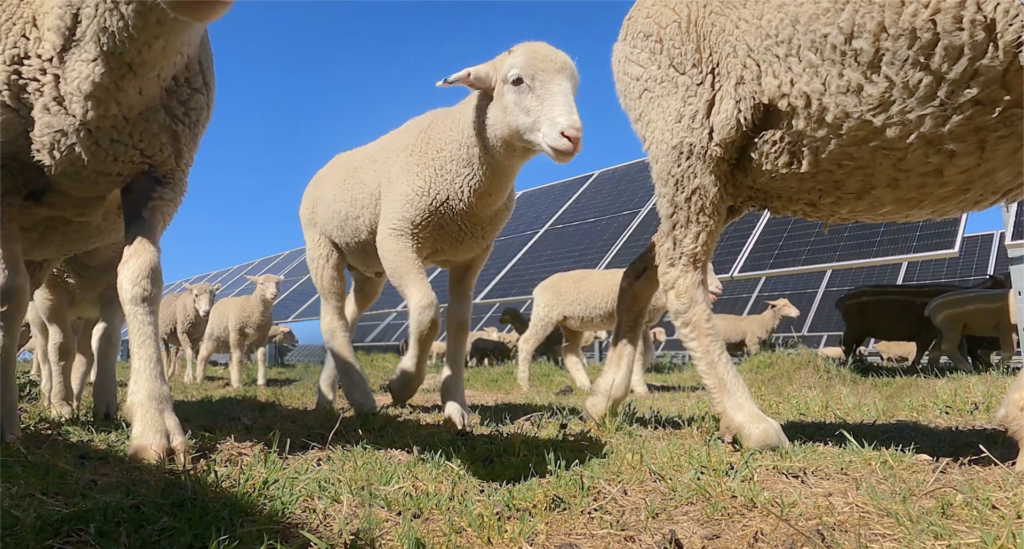
Solar farms have very low environmental impacts when they are placed on suitable sites, like on land that has already been cleared or that has low biodiversity value. In fact, when done well, solar farms can actually increase productivity of farm land by providing shade and shelter for sheep and pasture.
Greener grazing: New England Solar Farm, New South Wales
The New England Solar Farm in Uralla, northern NSW, is one of Australia’s largest solar farms, and is also home to around 6,500 Merinos and other sheep. Through early engagement with landholders, many of which had been running sheep on the land for five or six generations, the solar farm was designed to successfully graze sheep across the site. The solar panels shade pastures in the early morning which helps retain moisture and encourages growth of the grass beneath, providing plenty of food for the resident lawn mowers. The panels also provide shade for the sheep in the heat, and protect them from frost in the winter.
Batteries
When it comes to batteries, there are often questions about their safety and how the materials in them are sourced. The good news is, fire risk is much lower than some media reports can make it seem, and a renewable energy system backed up by storage requires far less mining than our current fossil fuel energy system.
- Fire risk: Big batteries, household batteries and electric vehicles are tightly regulated and have strong safety mechanisms to prevent fires, which are continuously improving. Media reporting can make incidents seem more common than they are: for example, EV fires are actually around 20 times less frequent than fires in petrol and diesel cars. However, some products like e-bikes and e-scooters, are currently less tightly regulated. This means there are cheap, poorer quality products in the market that come with higher risks. To help minimise the risks, governments need to ensure products containing lithium-ion batteries are appropriately managed and that consumers have the information they need to have the confidence to invest in batteries and use them safely. Learn more in the Australian Firefighters Climate Alliance’s fact sheet on battery fire risk.
- Mining: Just like all mining, the extraction of the critical minerals in batteries (like lithium) comes with environmental impacts. See more about the mining needed for a renewable power system below.
Safely powering past the end of coal: Hazelwood Battery, Victoria
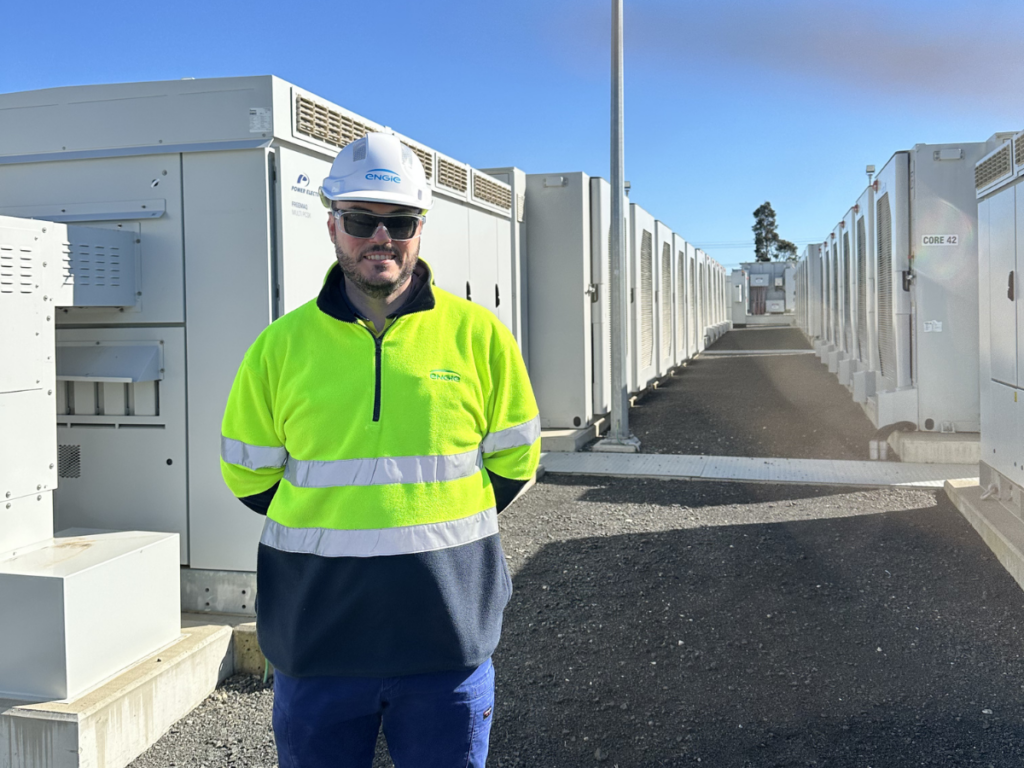
The Hazelwood Battery in Victoria’s Latrobe Valley was the first big battery to be built at an Australian ex-coal power station site. Engaging local firefighters was a key part of the planning process. “The local Fire Rescue Victoria and Country Fire Association (CFA) crews came to the site to review and understand it, and are comfortable that the battery is safe.
Transmission
Transmission lines – those steel towers and wires that carry electricity to our homes, schools and workplaces – are an essential part of the shift to renewables, connecting our new sources of clean power to where it needs to go. The Australian Government has developed national guidelines for engaging with communities and sharing benefits of transmission projects, including avoiding and reducing environmental impacts. State governments offer payments to landholders – often farmers – for hosting transmission lines in recognition of the critical role they play in the transition.
With the right planning, the land underneath transmission lines can be actively managed to support local habitats, for example by planting native grasses, flowers and shrubs that support important local insects, birds and animals.
Learn more about the new transmission needed in our shift to renewables.
How much land do we need to power Australia with renewables?
Renewables use far less land than most people realise: we will need just 1,200 square kilometres of land to provide all Australia’s energy needs – equivalent to just 0.02% of Australia’s landmass. For comparison, national mapping reveals that 37.3% of Australia is covered by coal and gas licences and applications. That amounts to 285 million hectares – a larger area than the whole of Western Australia.
Wind turbines have been happily coexisting with cows and sheep on Australian farms for decades, and solar panels can even improve the productivity of farms. Renewable energy projects also give farmers an opportunity to diversify their incomes, which is becoming increasingly important as climate change fuels more frequent and intense extreme weather events.
Learn more about wind turbines and farming.
What are the environmental impacts of mining for renewable infrastructure?
Critical minerals like the lithium used in energy storage batteries are essential to our shift to a renewable power system, but just like all mining, the extraction of these resources comes with environmental impacts. There is a large body of evidence showing that the benefits of clean energy technologies far outweigh the climate pollution along supply chains. For example, total lifecycle greenhouse gas emissions of EVs are around half those of internal combustion engine cars on average, with the potential for a further 25 per cent reduction when powered by renewable energy.
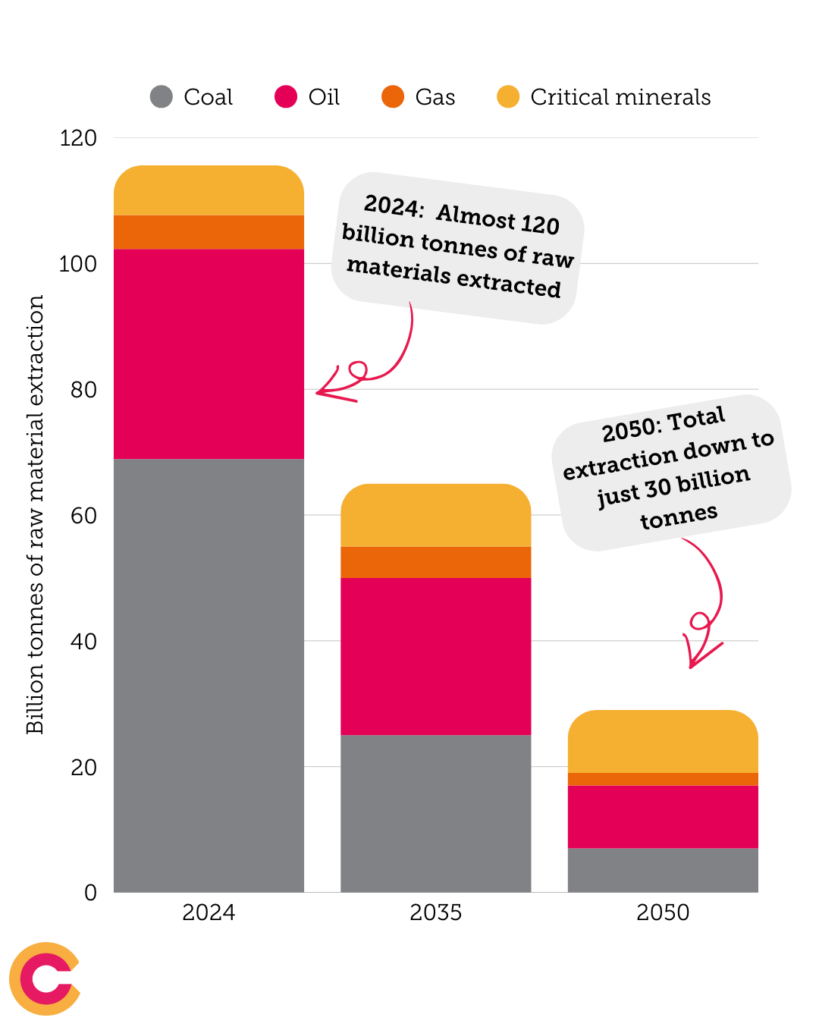
Research also shows that a renewable power system will require significantly less mining than the current fossil system. Currently, more than 107 billion tonnes of fossil fuels are mined and extracted each year, compared to around 8 billion tonnes of critical minerals. To reach net zero by 2050, despite the increase in critical mineral extraction, the International Energy Agency projects that total mining for our energy system will significantly decrease – to around 30 billion tonnes.
Reaching net zero by 2050 will cut our extraction needs by three quarters
It’s also important to note that critical minerals have historically been sourced from some regions where there are credible complaints of human rights abuses and low environmental standards. However, strong environmental, social and governance (ESG) practices along supply chains are increasingly becoming essential for companies to access battery markets around the world.
What happens when renewables are decommissioned?
Unlike fossil fuels, renewables do not produce toxic by-products or pose a contamination risk to livestock, crops or food production. However, it is still critical that they are appropriately managed at their end of life. When renewables reach retirement age, that doesn’t automatically mean they have to be decommissioned. Projects can be refurbished or repowered to extend their lives. If a project does need to be decommissioned, there are strict requirements in each state and territory about what needs to be done, and the landowner’s agreement with the project owner will also contain requirements.
Generally, all the infrastructure will be removed from the site and the property will be rehabilitated or restored. The land and soil can be returned to their previous condition without risks to the environment or public health, and more than 90% of the components of wind turbines, solar panels and lithium-ion batteries can be recycled to further reduce the environmental impacts.
Find out more: What happens to renewables when they reach retirement age?
We can accelerate the renewable rollout while safeguarding our unique wildlife and landscapes. With strong environmental standards, smart planning and innovation, Australia can cut emissions, protect biodiversity and build a cleaner, safer energy system for the future.