In short
On 30 September 2026, the NSW Independent Planning Commission (IPC) approved the Hunter Valley Operations (HVO) coal extension project. HVO is the largest coal project ever proposed in NSW, led by Glencore in a joint venture with Yancoal. They are seeking to continue digging coal from two existing open-cut mines into the 2040s, unleashing more than 800 million tonnes of climate pollution. That’s a climate bomb that would supercharge climate disasters and rising costs already hitting the Hunter and all Australians.
What’s next?
Now, the Albanese Government has to decide whether it signs off on the biggest, most polluting coal expansion in New South Wales history – and the 38th fossil fuel project since it came to power.
The expansion of the Hunter Valley Operations’ open-cut coal mines would lock in hundreds of millions of tonnes of climate pollution, at a time when NSW families are already living with worsening climate disasters and rising costs. Here’s what you need to know about the project and its impacts.
AT A GLANCE
- Project: Hunter Valley Operations (HVO) Continuation Project – an expansion of two existing open-cut coal mines
- Proponent: Glencore, in a joint venture with Yancoal
- Location: Hunter Valley, New South Wales
- Scale: The largest coal mine expansion ever proposed in NSW history – producing 430 million tonnes of coal over its lifetime
- Timeframe: Would extend coal mining operations into the 2040s
- Climate pollution: More than 800 million tonnes of climate pollution over its lifetime, more than seven times NSW’s annual climate pollution
- Decision-maker: The NSW Independent Planning Commission (IPC) approved the expansion on 30 September 2026. Now, HVO is awaiting Federal Government environmental approval.
What’s the go with HVO?
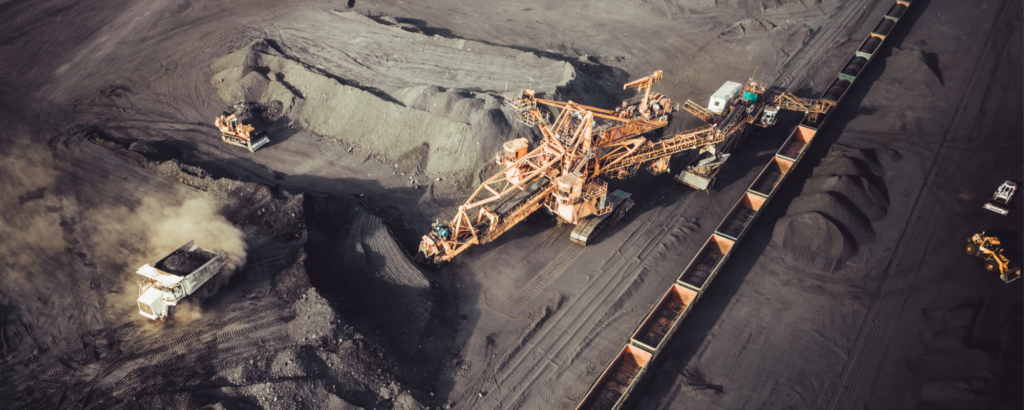
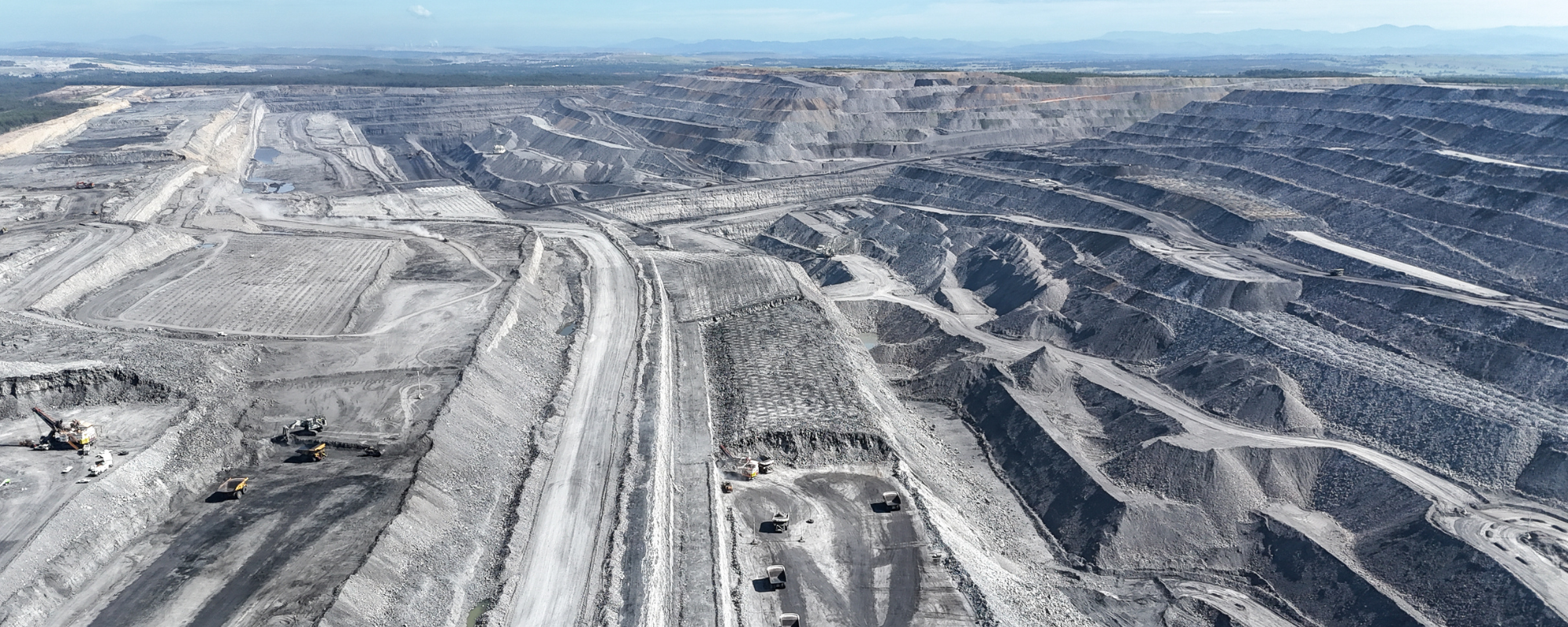
Hunter Valley Operations is already one of the largest coal mining operations in Australia. Now Glencore and Yancoal have proposed to extend the life of their two open-cut coal mines by almost 20 years, pushing operations into the 2040s.
This is the biggest coal mine expansion ever put forward in New South Wales, at a time when we need to be cutting pollution further and faster to build a safer and cleaner future.
A climate bomb that would put more Australians in harm’s way
This climate bomb would unleash more than 800 million tonnes of climate pollution, which is more than seven times NSW’s annual climate pollution. That breaks down as:
- 15.1 million tonnes of climate pollution at the mine site
- 793.8 million tonnes when the coal is burned
Most of this coal would be shipped overseas, where it would be burned in power stations to generate electricity, or in factories to make metal. But climate harm doesn’t care about borders. What NSW exports as coal, we import back as floods, bushfires, heatwaves and droughts. The National Climate Risk Assessment found that NSW has had more disasters than any other state or territory in the past 20 years.
The Hunter region is especially exposed. It ranks as the 10th most at-risk federal electorate in the country for climate extremes, with more than one in ten local properties (around 12,300 homes) already at high risk of becoming uninsurable.
NSW communities are already paying the price for climate pollution
Climate pollution from coal, oil and gas is already costing Australians: the NSW Net Zero Commission has found the average NSW resident is around $20,000 a year worse off because of climate impacts.
The UN has recently released a landmark report confirming the world is set to cross 1.5°C of global warming, likely within the next few years. 1.5°C is the upper limit of what vulnerable communities, coral reefs, and many ecosystems can withstand, and beyond which we risk triggering irreversible and cascading catastrophic climate impacts. It is clear that the only way to minimise how high temperatures peak, and bring them back down as quickly as possible, is to rapidly and deeply slash climate pollution. We have been warned by the International Energy Agency for years that new and expanded coal mines are incompatible with this task.
Meanwhile, the coal companies behind the project stand to rake in significant profits. While families across NSW pick up the bill for these worsening disasters, Glencore and Yancoal are seeking to make around $6 billion from the HVO expansion alone.
Contradicting NSW’s climate targets
The HVO coal mine expansion flies in the face of the NSW Government’s commitments to cut climate pollution and protect the community. The NSW Net Zero Commission has warned that new coal mining approvals are not consistent with the state’s legislated climate targets and obligations under the Climate Change (Net Zero Future) Act or the Paris Agreement.
HVO will be required to develop a Greenhouse Gas Mitigation Plan within six months, demonstrating how it is reducing and/or offsetting its climate pollution. HVO’s primary approach to achieving alignment with NSW’s emissions reduction targets would rely on offsets – not genuine emissions reduction at the mine site. Offsets should only be for pollution that can’t be avoided, not a licence to pollute: they will not change the project’s gross on-site emissions totalling more than 15 million tonnes over its life.
Local environmental and health risks
The damage isn’t limited to climate impacts. The mine’s two open-cut coal pits sit either side of the Hunter River, and decades more mining means decades more pressure on the river and the local water resources that farming and tourism depend on, alongside continued dust and air pollution for nearby towns. These are costs Hunter communities and crews would carry for another generation, on top of the climate impacts felt right across the state.
What about jobs?
Coal is a declining industry. As countries around the world switch to clean energy, global demand for thermal coal is in long-term decline. Locking the Hunter into another two decades of coal won’t give workers or the region the certainty they deserve. It just kicks the can down the road.
The Hunter needs investment in industries that will last. The region is well placed to become a clean energy powerhouse, with real potential for secure, long-term jobs in clean energy and storage. With a genuine plan to back those industries and to support coal workers and their communities through the transition, the Hunter can build a stronger economy that doesn’t depend on a product the world is moving away from.
Progressing the Future Jobs and Investment Bill, which has already passed the NSW Legislative Assembly, is an important step in providing communities the certainty and support they need in the face of structural economic change arising from changes in global demand for coal.
What’s next?
The NSW Independent Planning Commission (IPC) approved the expansion on 30 September 2026. This is a decision that every community in NSW will end up paying for, including those who are still recovering from worsening fires and floods fuelled by climate pollution. Now, HVO is awaiting Federal Government environmental approval.
The fight isn’t over yet: this extension – and others like it – still need approval from the Federal Government before it can go ahead. The Albanese Government now has to decide whether it signs off on the biggest, polluting coal expansion in New South Wales history – and the 38th fossil fuel project since it came to power.
Australia should be cutting climate pollution further and faster, not adding to it. The Albanese Government must put people before corporate interests and refuse this project.
There are more than a dozen more coal mine expansion projects in NSW’s planning pipeline.
USEFUL LINKS
Read the Climate Council’s submission to the NSW IPC assessment of the HVO Continuation Project and our response to additional information provided by HVO
Read the Climate Council’s media release, NSW approves biggest-ever coal mine expansion, paves the way for 800 million tonnes of pollution
Independent Planning Commission media release, Hunter Valley Operations coal mine approved with conditions
Hunter Valley Operations | Continuation Project Website
NSW State Significant Development | HVO South Open Cut Coal Continuation Project
NSW State Significant Development | HVO North Open Cut Coal Continuation Project
EPBC | Hunter Valley Operations (HVO) North Open Cut Coal Continuation Project
EPBC | Hunter Valley Operations (HVO) South Open Cut Coal Continuation Project