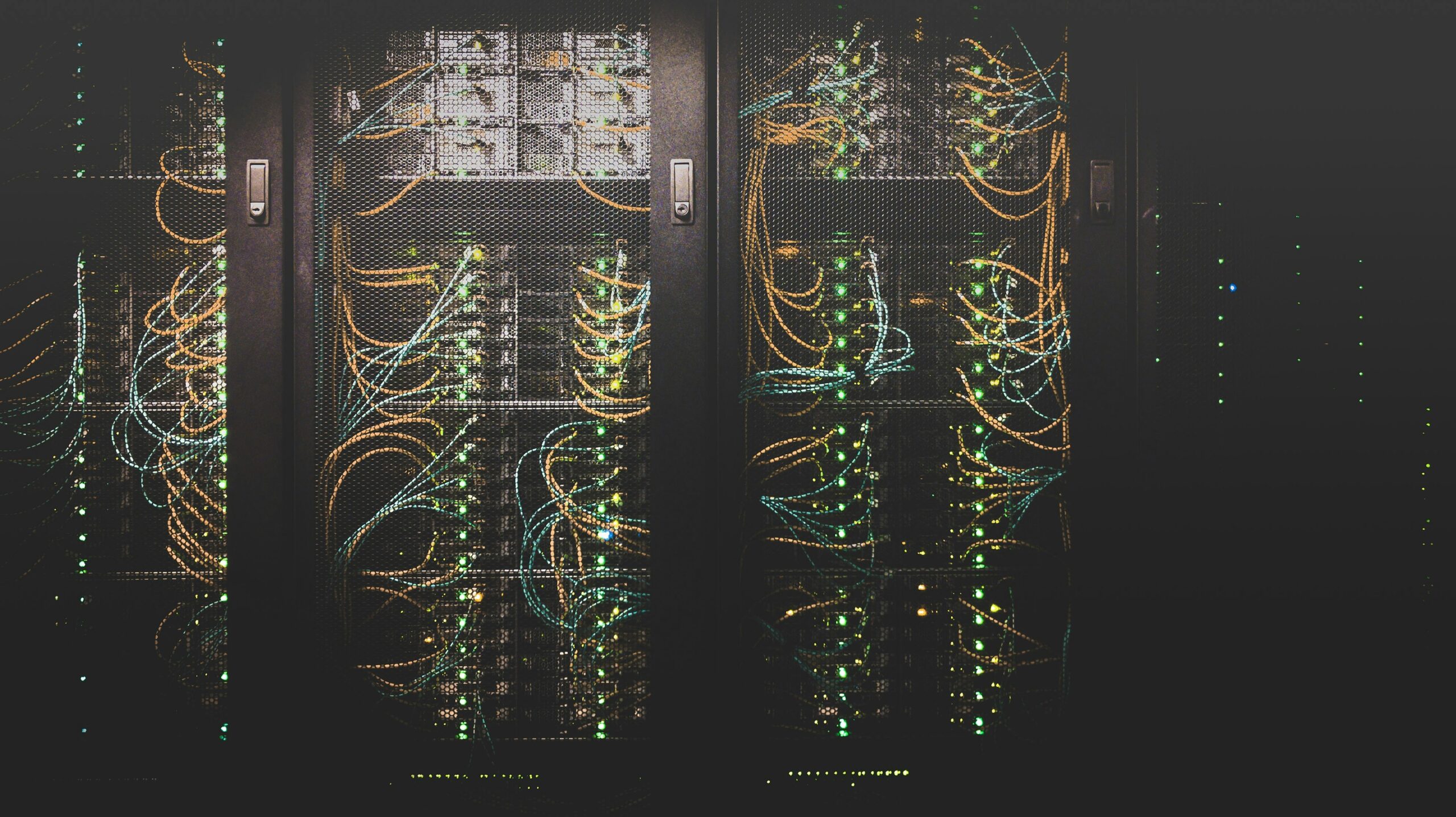
The Climate Council welcomes the opportunity to make a submission to the Public Accountability and Works Committee Inquiry into data centres. Data centres are increasingly important digital infrastructure that underpin everyday services and many essential functions across the economy and government. In Australia, data storage and processing is recognised within the Commonwealth critical infrastructure framework, alongside sectors such as communications, financial services and health. At the same time, the expansion of data centres in New South Wales is occurring at a scale and pace that will materially shape the state’s energy system over the coming decades. The choices made now will determine whether this growth delivers net public benefit or creates avoidable system risks and delays.
As an independent, evidence-led climate organisation, our submission focuses primarily on issues within the Inquiry’s Terms of Reference relating to: electricity demand, grid impacts, implications for NSW’s legislated renewable energy and climate targets, water usage and lessons from other jurisdictions. We support stronger whole-of-government approaches to planning, transparency and cumulative impact management across other ToR items, including land use, housing and workforce matters. We also acknowledge the broader social and ethical concerns around artificial intelligence (AI), which is driving a significant share of new data centre demand. While important, these issues are distinct from the impacts of physical infrastructure and fall outside the scope of our submission.
Climate-fuelled disasters in NSW and across Australia are becoming more frequent and intense, and communities are feeling the consequences. They also come with a significant financial cost: the most recent State Budget shows expenditure on natural disasters has increased more than 1000% in the six years since the 2019-20 bushfires compared to the six years prior – an average of $1.6 billion per year (NSW Government 2025a).This underscores the importance of ensuring that major new electricity loads are integrated in ways that keep NSW on track to meet its climate targets.
On its current trajectory, NSW is not on track to meet its legislated 2030 or 2035 emissions reduction targets (NSW Government 2025b). The growing data centre industry risks further widening the state’s projected emissions gap: without additional renewable generation, storage and system flexibility to match demand, electricity costs are likely to rise, fossil fuel electricity generation will persist for longer, and NSW’s climate targets will come under increasing pressure. But, with strong, clear and enforceable policy settings, data centres can drive new clean energy investment and support a resilient electricity system.
Countries around the world are moving to set stronger standards for data centres in response to their rapidly growing energy and water demand. Many industry members and their customers are already taking steps to procure renewable energy and firming capacity, alongside measures to improve energy and water efficiency – often driven by their commercial interests. NSW offers many advantages for data centre development, including access to a large and growing market, stable institutions and regulatory frameworks, and a rapidly evolving clean energy pipeline. Many data centre operators and their customers are highly profitable, well-capitalised global companies. As the industry expands, it is reasonable to expect that this growth delivers tangible public benefits – particularly in supporting affordable clean energy and system reliability – alongside private returns.
The NSW Government has a critical window of opportunity to set sensible, pragmatic policy settings for the data centre industry. By embedding best-practice requirements into planning and approval processes, the Government can support both economic development and climate progress.
SUMMARY OF CLIMATE COUNCIL RECOMMENDATIONS
Embed best-practice requirements for data centres into NSW’s planning frameworks, including requiring facilities to:
- Support demonstrably additional renewable generation and firming
- Meet best-practice energy efficiency standards
- Enhance grid resilience and load flexibility
- Adopt leading water efficiency measures and prioritise recycled and circular water systems where feasible
- Disclose and report consistent information on electricity use, water use, backup generation and emissions
These requirements should be accompanied by the necessary work from governments, regulators and utilities to enable them.