In short
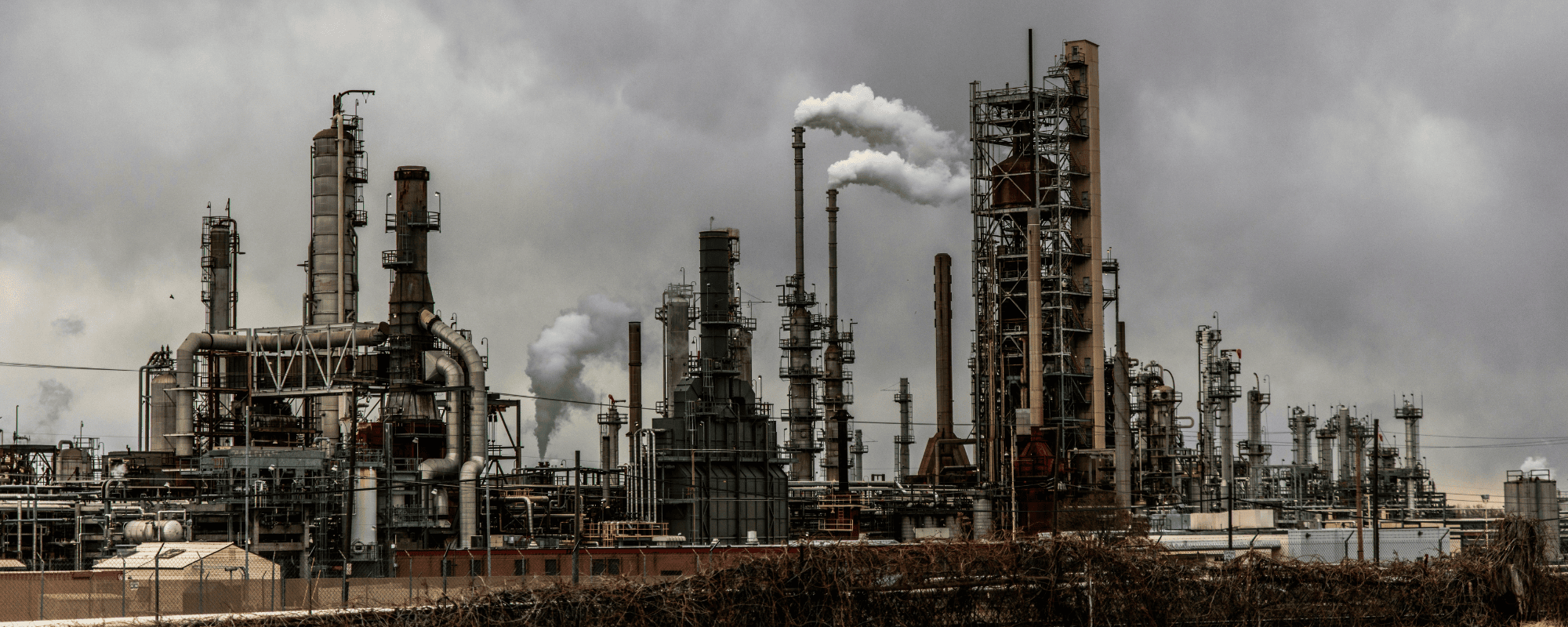
Australia’s Safeguard Mechanism — the key law designed to cut industrial climate pollution — is being gamed by coal and gas corporations. Instead of driving emissions down, new and expanding fossil fuel projects are pushing them up.
New RepuTex modelling, commissioned by the Australian Conservation Foundation and the Climate Council, shows the scheme is on track to fall well short of Australia’s 2035 climate target unless urgent reforms are made.
What’s next?
The Safeguard Mechanism is up for review in 2026–27. This is a once-in-a-decade opportunity to fix the loopholes, tighten the rules for fossil fuel projects, and put Australia on a path to a cleaner, more resilient economy.
New Reputex modelling, commissioned by the Australian Conservation Foundation and the Climate Council, shows that the fossil fuel industry is undermining the Safeguard Mechanism, increasing climate pollution, and putting more Australians at risk of climate harm.
New, expanded and extended coal and gas projects — including Woodside’s Browse and Pluto 2 LNG fields and Santos’ Barossa — are set to represent up to one-fifth of covered in 2035, before on-site cuts.
The modelling also shows that:
- If higher-than-expected gas or coal production occurs, gross emissions could increase by a further 5% in 2035.
- The risk of carbon blowouts from coal and gas facilities is poorly managed and could lead to close to 50 million tonnes of additional pollution by 2035 if speculative technologies like carbon capture and storage fail to scale-up.
- Polluters will increasingly rely on offsets to comply with pollution rules, with the Mechanism failing to support enough real cuts to climate pollution. Relying on offsets is a risk to Australia’s climate targets, with no guarantee they actually reduce pollution.
- Improvement to Australia’s measurement of fossil fuel methane emissions, currently under-reported by approximately 60%, would have stark implications, lifting Safeguard emissions by 18% to 2035 and risking the achievement of the 2030 carbon budget.
- The scheme’s settings for fossil fuels will determine how decarbonisation is split across industries. Implementing a stronger decline rate for coal and gas could more than halve the decarbonisation required from other long-term industries like manufacturing and minerals processing.
Why this matters
The Safeguard Mechanism covers one-third of Australia’s total climate pollution. More than half of that is from coal, oil and gas extraction. Getting the scheme settings right isn’t just about the environment – it’s about protecting Australian households from volatile fossil fuel prices, supporting clean industries, and securing Australia’s place in a decarbonising global economy.
The Safeguard Mechanism is up for review in 2026–27. This is a once-in-a-decade opportunity to fix the loopholes, tighten the rules for fossil fuel projects, and put Australia on a path to a cleaner, more resilient economy.