On 9 January 2026, the fire danger across Victoria was the worst experienced since Black Summer in 2019-20. Record-breaking heat and flash drought fuelled a major bushfire crisis of more than 200 fires. Some so ferocious they produced their own weather systems, ultimately destroying around 1,590 structures, including 451 homes.
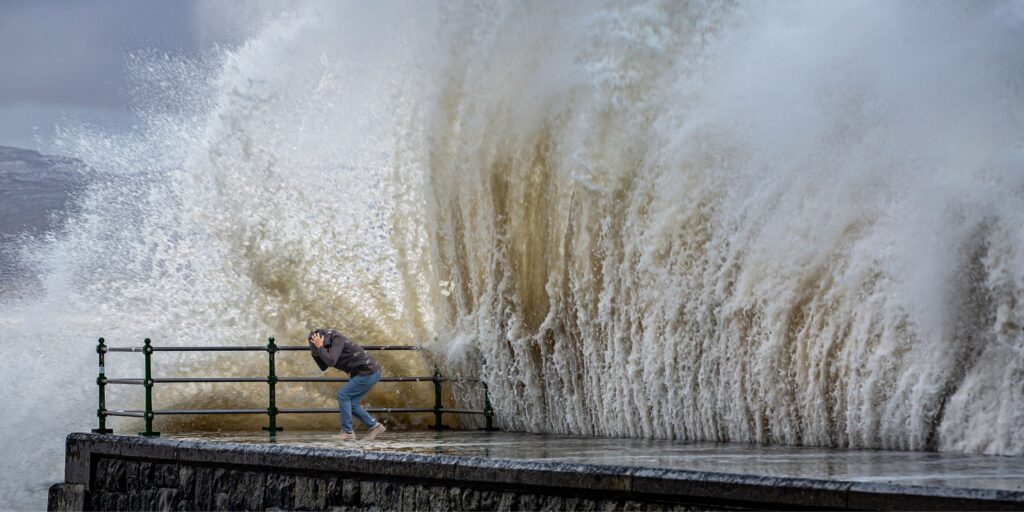
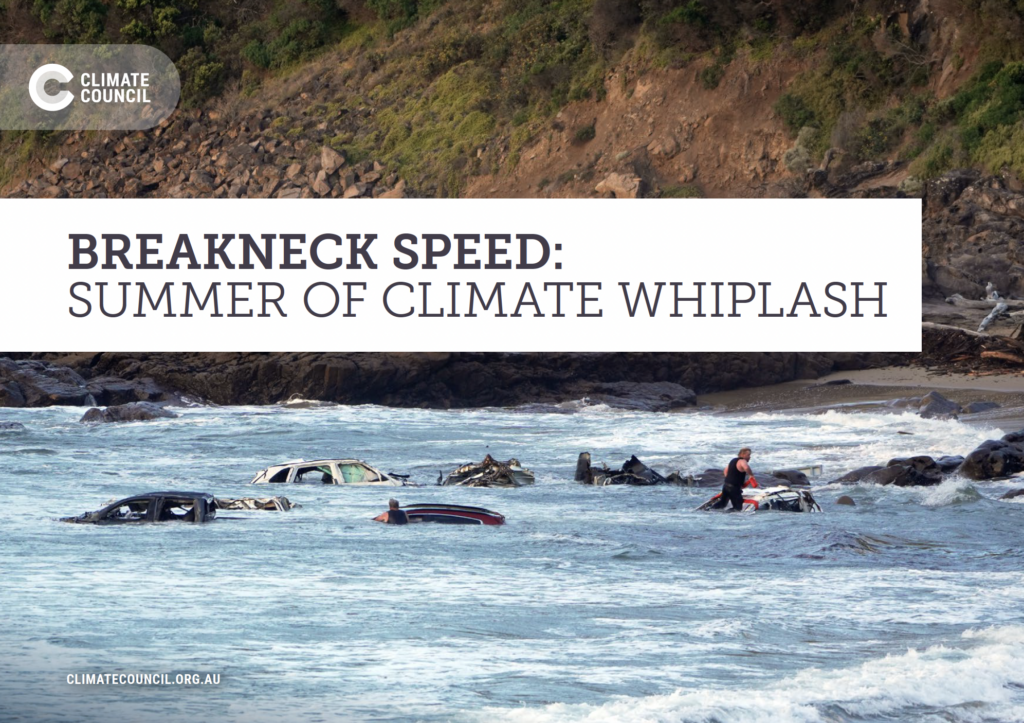
The Otways in Victoria epitomised the 2025/26 summer of breakneck climate whiplash. Some residents of Wye River on Victoria’s Great Ocean Road evacuated under catastrophic fire danger warnings. A week later, the same community watched floodwaters carry cars out to sea after record-breaking rainfall.
This is not a one-off. It is climate whiplash.
Across Australia this summer, communities were flung from one extreme weather event to another.
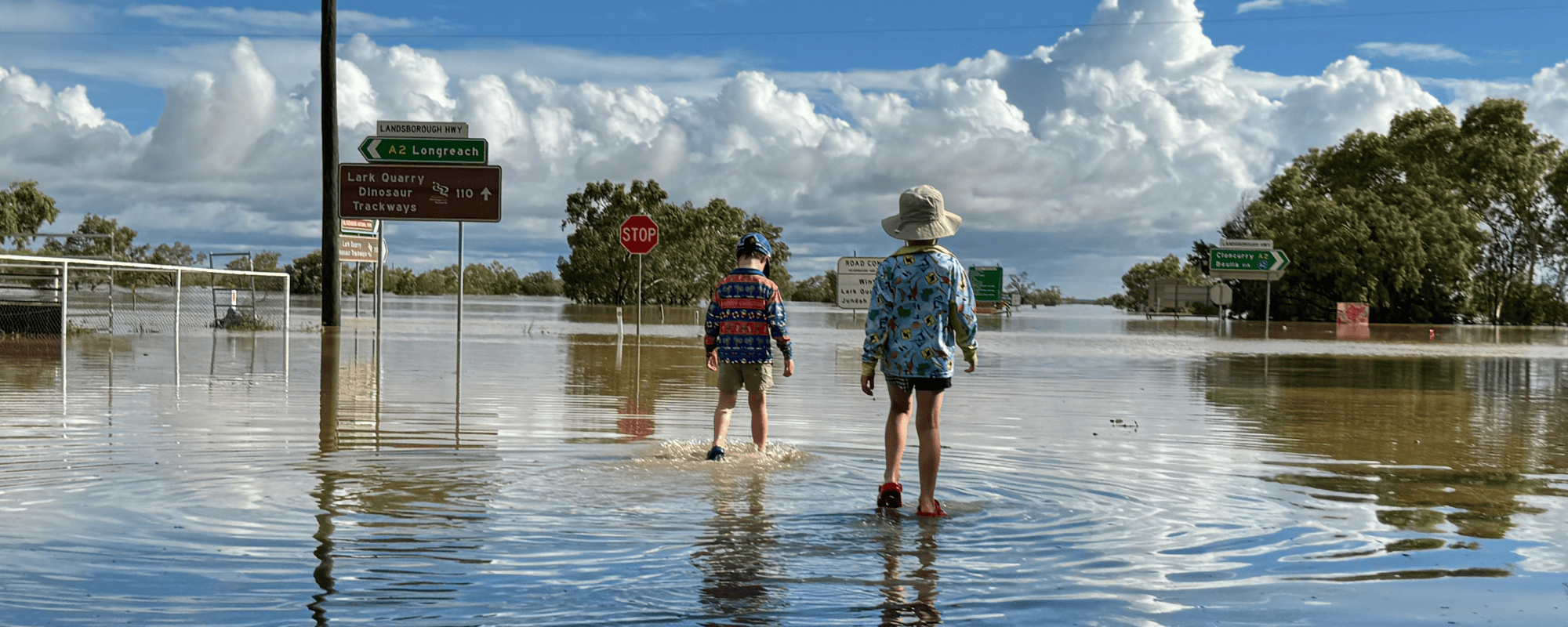
In north-west Queensland, record daily rainfall for December was followed by Tropical Cyclone Koji making landfall on 11 January, bringing heavy rainfall to already saturated soils and hitting graziers hard. More than 100,000 head of livestock were dead or missing.
Meanwhile, for six consecutive days in late January, at least one place in Australia recorded a temperature of 49°C or higher. Port Augusta became the most southerly point on Earth to reach 50°C, and extreme heat in southeastern Australia spread to southern parts of Queensland.
These events are being fuelled by climate pollution, and they are getting worse.
It can be hard for many Australians to fully grasp how drastically our weather patterns are changing. Our understanding of what’s possible – let alone what’s “normal” has shifted. So when extremes now strike, they strike from a hotter, more dangerous starting point.
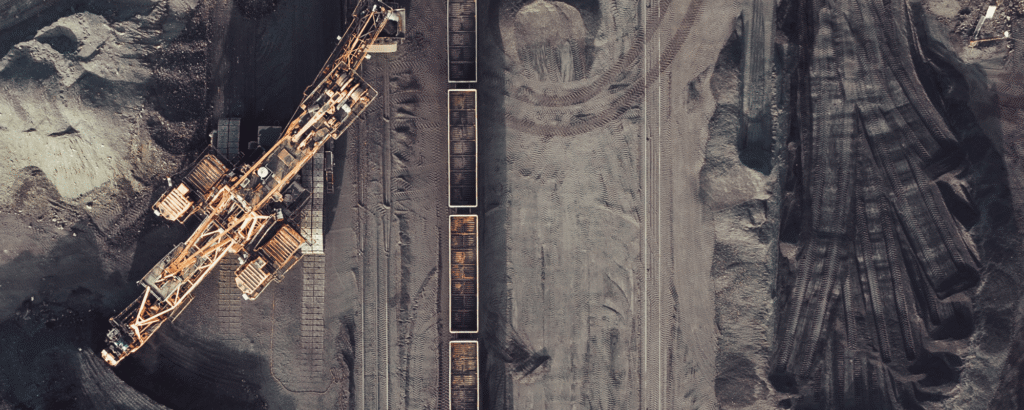
Climate pollution from burning coal, oil and gas is overheating our atmosphere and oceans, loading the dice toward more intense heat, heavier rainfall, flash drought and more dangerous fire weather. The influence of this pollution is now overtaking natural climate drivers (like El Niño and La Niña). So even during a La Niña – that typically means cooler and wetter weather over Australia – 2025 was Australia’s fourth warmest year on record, and January 2026 was among the hottest on record globally. Climate pollution is rewriting the rule book for Australian summers.
Our report makes clear that there are significant and rapidly increasing costs to continued climate pollution. Insurance premiums have risen 51% in five years as insurers grapple with consecutive, compounding disasters. Initial insurance losses due to the January Victorian fires are estimated to be as high as $786 million. Any expansion of coal and gas projects will deepen these risks.
Every approval pushes Australia further toward more frequent, more severe and more costly climate disasters — a price that Australian families cannot afford to keep paying.
Key findings
1. This summer Australia’s climate flipped between extremes at accelerating speed – a phenomenon scientists call climate whiplash.
- Victorian communities were flung from catastrophic fire warnings to flash flooding within a week then back to extreme heat only 10 days later.
- Western Queensland communities received their average annual rainfall in the first five weeks of the year.
- In Western Australia, after 45°C heat the Eyre Highway was closed due to fires ignited by dry lightning, only to be cut off again two days later by floodwaters.
- Large areas of Australia swung from extreme heat and less than 20% of typical rainfall to more than 400% of average rainfall within weeks.
2. Climate pollution is now overpowering natural climate cycles like El Niño and La Niña.
- Typically, a La Niña event in the Pacific Ocean is associated with wetter, cooler conditions over large parts of Australia. But 2025 was still Australia’s 4th hottest year on record and January 2026 our 4th hottest January.
- Six consecutive days in January saw at least one Australian location reach 49°C or higher, while Port Augusta, SA, became the most southerly place on Earth to record 50°C.
- The shift in extreme heat is stark in places like Mildura, which reached 45°C just six times between 1946–1999 versus 27 times since 2000.
- The January 2026 heatwave broke Victoria’s all-time maximum temperature record, even without strong, hot northerly winds that are normally associated with our hottest days such as Black Saturday 2009. The key difference: 17 more years of coal, oil and gas pollution creating a hotter baseline climate.
- This summer Victoria experienced catastrophic fire danger, with fires destroying 451 homes, and scorching 450,000 hectares of land. Australia now experiences 56% more extreme fire weather days than 40 years ago, and our fire seasons last nearly a month longer in some locations.
3. Record ocean heat is intensifying rainfall, floods and tropical cyclones with compounding damage across regions.
- 2025 and 2024 were the two warmest years on record for Australian ocean temperatures. Hotter oceans fuel tropical cyclones and heavy rainfall.
- Parts of the northern Great Barrier Reef experienced coral bleaching again in early 2026 – only the second time this has occurred during La Niña conditions.
- Towns in north-west Queensland – Burketown, Normanton, Cloncurry and Julia Creek – recorded their highest December rainfall (450-500mm) triggering flooding that killed or displaced an estimated 100,000 head of livestock.
- Dangerous flash flooding is increasing across the continent. For every 1°C of warming, extreme rainfall in Australia can increase by 7–28% for hourly or short duration downpours.
4. Australians are paying a high price for failure to rein in climate pollution as disasters become more frequent, damaging and expensive.
- Annual disaster costs per Australian have risen 222% since the 1980s.
- Between 2020 and 2024 insurance payments averaged $4.5 billion per year, more than double the 30-year average of $2.1 billion.
- Insurance premiums are up 51% in five years, impacting all households even if they aren’t directly affected by fire, floods or storms.
- Councils are struggling to fund repairs because of worsening, consecutive disasters. The NSW MidCoast council has applied for state and federal disaster recovery funding 16 times since 2019, with $232 million in flood damage in 2025 alone.
5. Australia must deeply cut climate pollution, and prepare every Australian for worsening disasters.
- Without far deeper and faster cuts to climate pollution, the extreme heat, flash flooding and catastrophic fire danger experienced this summer will continue to worsen in the years ahead.
- Every new coal and gas project approval locks in more pollution and increases the risk of more frequent and damaging disasters.
- At the same time, governments must strengthen our ability to cope with worsening extremes by:
- Better resourcing for fire and emergency services.
- Helping households prepare for and recover from future disasters.
- Regularly updating the National Climate Risk Assessment and fully funding a revised National Adaptation Plan.
- Stopping development in dangerous places, and relocating homes where risks are unacceptably high and unavoidable.
Photo credit: Holly Brodie